

The United Nations has warned that the world is close to a threshold of 1.5 degrees Celsius increase in average global temperatures over pre-industrial levels, amid continued emissions increases and the growing effects of climate change in various regions of the world.
The United Nations has said that the Earth’s average temperature has risen by about 1.44 degrees Celsius since the end of the 19th century, and noted that the 1.5 degree Celsius threshold is likely to be crossed in the next decade unless greenhouse gas emissions are reduced at a much faster rate.
He explained that the years 2015 to 2025 accounted for the 11 hottest years, coinciding with oceans recording record levels of heat content in recent years.
The effects of warming are manifested in many forms, including droughts, damaged agricultural production, increased risk of wildfires, floods and heat waves, and accelerated sea level rise and ice loss.
The United Nations believes that continued temperature increases increase the risks facing ecosystems and communities that are most vulnerable to the effects of climate change.
The El Niño phenomenon increases the severity of some climate risks. It is a natural phenomenon associated with a temporary increase in average global temperature and affects precipitation and temperature patterns over large areas.
The United Nations has confirmed that the El Niño phenomenon has started a new cycle in June 2026, expecting it to be one of its strongest ever, bringing more drought waves, heavy rains and rising land and ocean temperatures.
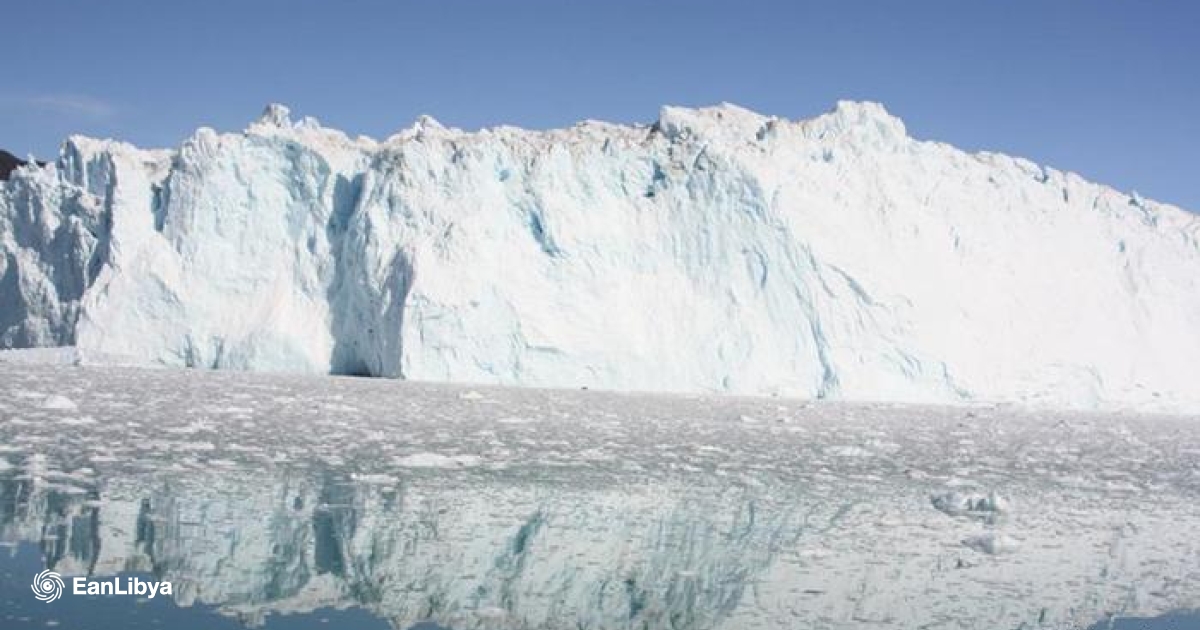
Climate scientists warn against crossing “tipping points” that could lead to widespread changes that are difficult to reverse, including the disruption of ocean circulation systems, the collapse of some glacial systems and the decline in the ability of forests and ecosystems to absorb carbon.
The United Nations confirms that exceeding the level of 1.5 degrees Celsius for a longer period increases the risk of achieving such climate changes.
Despite the mounting risks, climate assessments indicate that it is still possible to reduce the extent and consequences of warming by acting quickly on greenhouse gas emissions and gradually eliminating dependence on fossil fuels, which could limit the peak of warming, even if it temporarily exceeds 1.5 degrees Celsius.
Keeping within reach of the 1.5°C target requires reducing greenhouse gas emissions by about 43% by 2030 compared to 2019 levels, to reach net zero carbon dioxide emissions by 2050, according to pathways assessed by the Intergovernmental Panel on Climate Change.
Measures to limit warming include expanding renewable energy sources, increasing energy efficiency, protecting forests and restoring ecosystems, as well as developing technologies to remove carbon dioxide from the atmosphere.
The United Nations emphasizes that phasing out fossil fuels and reducing methane emissions are essential elements to accelerate the transition to a low-carbon economy.
On the other hand, international climate policy has achieved results in reducing estimates of future warming, as the UN indicates that countries’ climate commitments have helped reduce the expected warming path by the end of the century from 3.7 to 4.8 degrees Celsius to around 2.4 to 2.6 degrees or some estimates.
But these levels are still far above the target of the Paris Agreement.
The latest figures from the United Nations show that global greenhouse gas emissions will reach a record high of 57.7 gigatonnes of carbon dioxide equivalent in 2024, a 2.3% increase from 2023.
Even if current climate pledges are fully met, the United Nations expects warming to reach 2.3-2.5 degrees Celsius this century, and continuing current policies increases the forecast to around 2.8 degrees Celsius.
The data puts emissions reduction at the forefront of international efforts to combat climate change in the coming years, as the United Nations believes that every additional fraction of a degree Celsius increases human health, economies and ecosystems and reduces the margin for maneuver to avoid more dangerous climate change.
Suggest a correction
