

Published on 27/10/2015
Awad Rajoub – Hebron
origin of the name
The head of the Al-Aqsa Academy of Science and Heritage, Dr. Naje Bakirat, explains that the current situation is related to the Burak Wall and dates back to the British Mandate era, namely 1922, when the Islamic Council and the British government agreed that Jews were allowed to look at the wall without revolution.
Bakirat adds – in an interview with Al Jazeera Net – that by 1930, the UN had ruled that the Buraq wall was an integral part of Al-Aqsa Mosque and that it was only for Muslims, and that Jews were only allowed to look at it from a specific place.
He went on to say that with the advent of 1967 and the occupation of Jerusalem, Israel accepted the status quo: custody of the Hashemite Mosque in Jordan and that it was run by the Jordanian government just as it had been run by the Islamic Council during the British Mandate.
Here, the Palestinian researcher emphasizes the need to relate the current situation to its historical meaning, that is, as it was before 1967, and according to the agreements prevailing until that date, “which means that Israel recognizes the management of the Al-Aqsa Foundation and everything in it, and the movement of entry and exit, outside of tourism or not, the police. The authority of the occupation to intervene inside the mosque.”
Commenting on Netanyahu’s declaration of commitment to the status quo, Bakirat said: “He is a liar and an instigator and says what he does not do and wants to stabilize the situation as it is now in 2015, which is a dangerous situation and means that everything in Al-Aqsa is now at the disposal of the democrats and they tried to leave the occupation. The gate.”
Concept and reality
US Secretary of State John Kerry announced Israel’s agreement to “fully respect Jordan’s special role” as custodian of the holy sites under the status quo since 1967, which was met with official Jordanian approval, while Palestinian officials said they expected actions, not words.
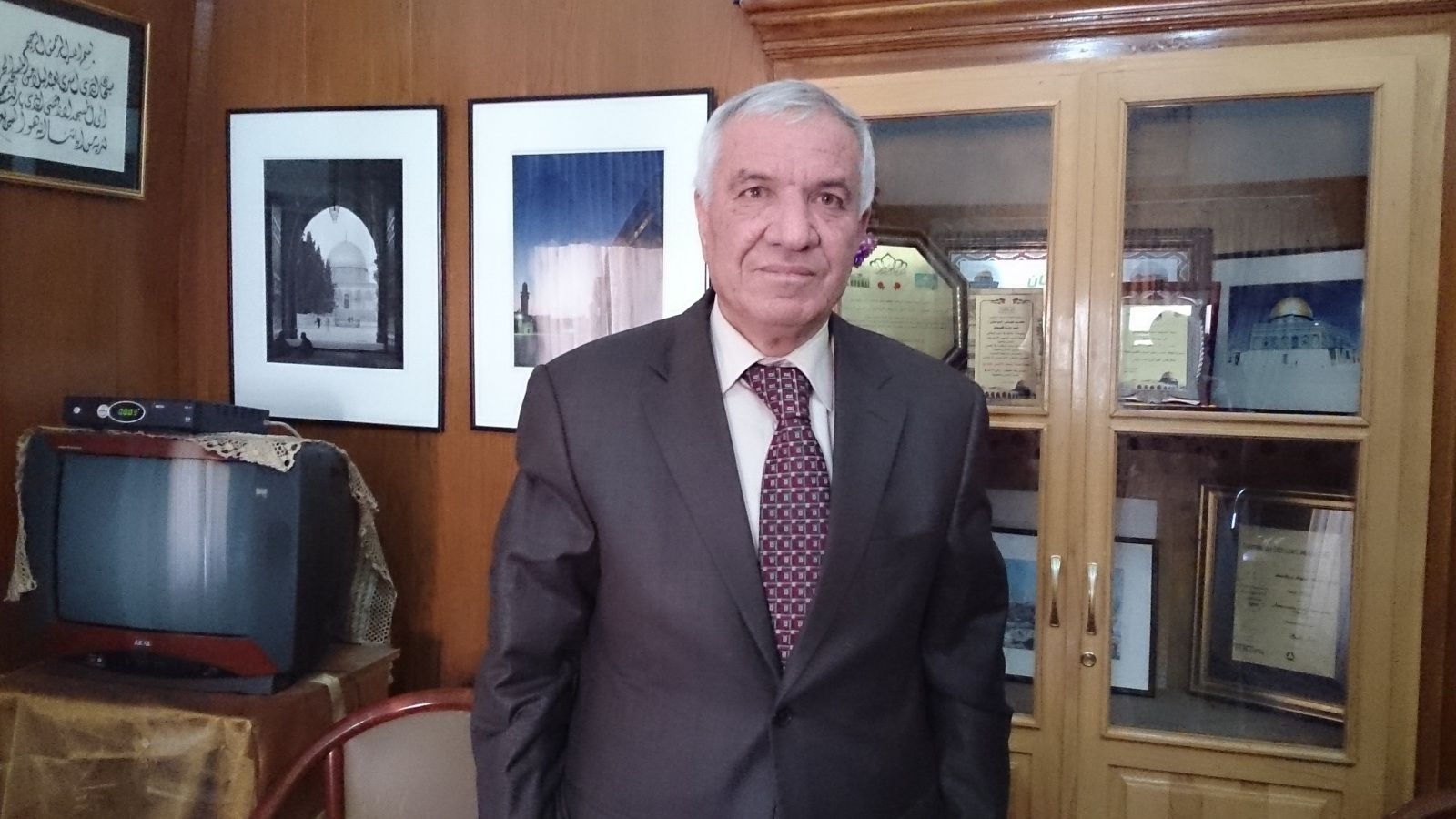
For his part, Azzam Al-Khatibi, Director General of Islamic Foundations and Al-Aqsa Mosque Affairs, says that Jordan, represented by the Ministry of Charity, continued to allow groups of foreign tourists to enter the mosque in two shifts, morning and evening, before the 2000 uprising.
In 2003, he explains that “the occupation authorities – unilaterally – began to control the movement of foreign tourists and their entry through the Moroccan gate, the keys of which they had taken after the occupation of Jerusalem in 1967, without any coordination with the foundations.
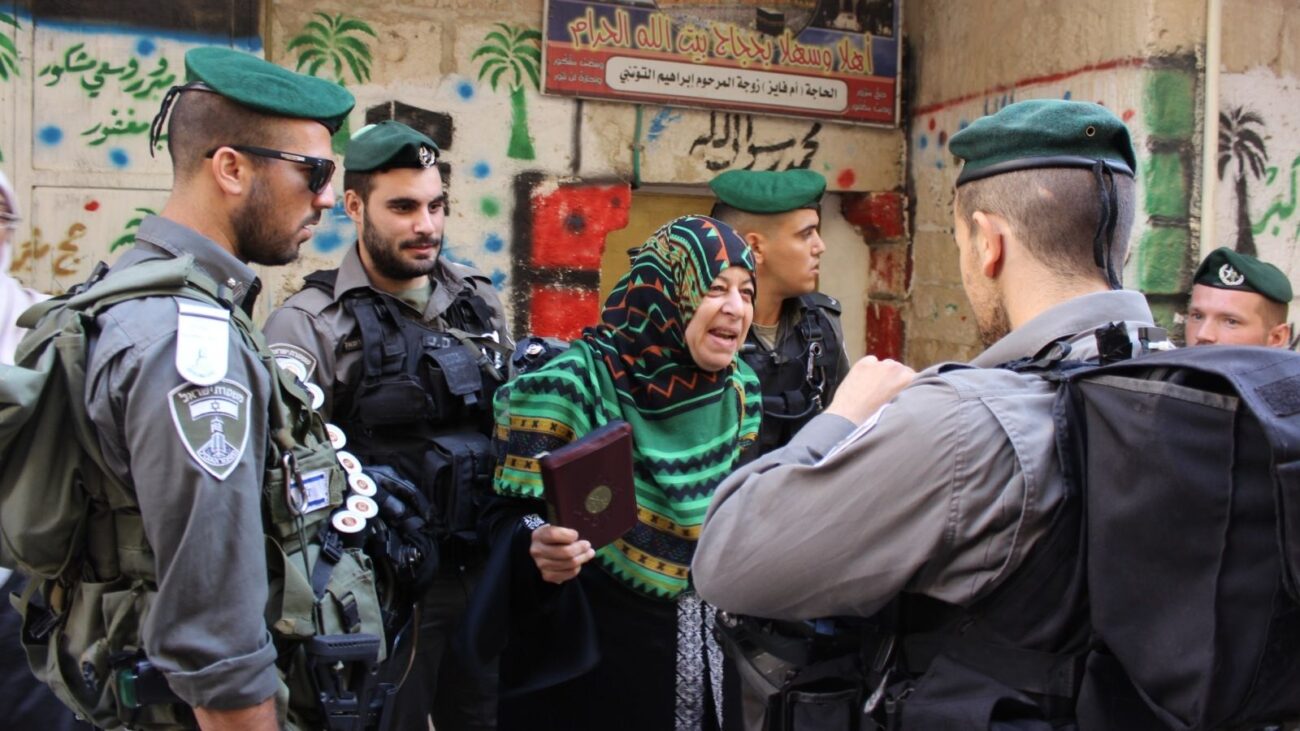
He explained that the occupation police began to enter with groups of IDPs, accompanied by members of the police and bodyguards, after which Knesset representatives, ministers and members of the intelligence continued to invade the mosque without responsibility and supervision, which created a new situation inside the mosque that was different from before and this is what the endowment denies.
He emphasized that “it is the responsibility of the occupation authorities not to prevent any Muslim from arriving, entering and praying at Al-Aqsa Mosque in hourly schools, every day of the year and without any specific age restrictions for worshipers, as is the case today, especially with women and young people.”
