
Have US drones become easy targets in Iran’s skies?
Posted on 1/3/2026
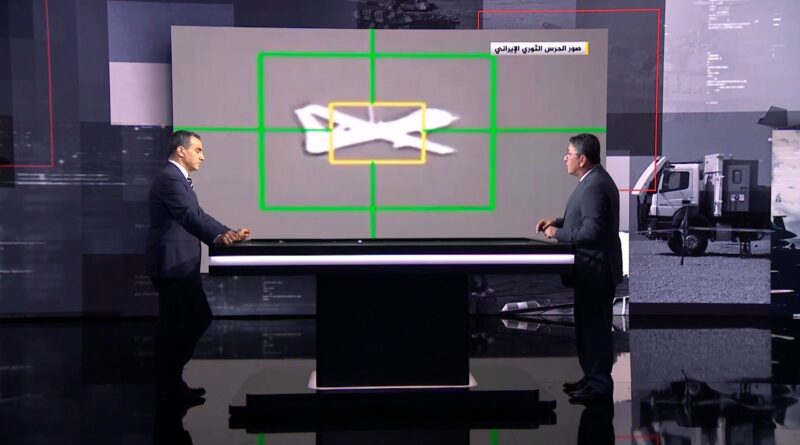
A military and strategic expert, Brigadier General Hassan Jun, believed that Iran’s downing of a US jet would mean it had weapons capable of dealing with such targets and questioned the freedom of movement of aircraft.
According to John, the target aircraft is an MQ-9 Reaper, which is a heavy and relatively slow attack drone capable of precision strikes and reconnaissance missions, making it – at low altitude – more vulnerable to damage.
Johnny noted in Al Jazeera’s military analysis that Iran’s air defense system is one of the structural weaknesses of Tehran’s military capabilities and has been subject to intense strikes since the start of the war, which has allowed Israeli and possibly American aviation to operate relatively freely in Iranian airspace.
However, Hanna suggests there are specific means that can still target heavy drones, stressing that the nature of these drones’ missions sometimes require them to fly at altitudes that make them easier to spot and shoot.
In the media and psychological dimension, the military expert believed that documenting the targeting and publishing its photos served the Revolutionary Guards’ “moral effort” by showing the scene of the downing of the American plane in Iranian skies, affecting the morale of both sides.
He said Iran had shot down larger U.S. aircraft before, but the incident — if confirmed — was the first of its kind in a standoff, making it particularly important in the battle for air sovereignty, especially since drones are primarily used to monitor Iran’s vast swathes of land for potential ballistic missile launch platforms.
Change tactics
As for the potential operational implications, John expected a change in the tactics used by American and Israeli drones in terms of raising the minimum flight altitude, in addition to increasing intelligence efforts to monitor the area where the targeting is said to have occurred.
Commenting on the rocket landing in Beit Shemesh and the large number of dead and wounded, Johnny said that the rocket used appeared to be an advanced and relatively accurate model and that the targeting of the area may have been deliberate because of its symbolism and logistical location, which connects Jerusalem to the coast, which impedes traffic into Israel’s heartland.
He noted that the effectiveness of interceptor systems is also measured by the ability of an attacker to consume them through missile refueling.
Regarding the reported targeting of the USS Abraham Lincoln, Johny stressed the need to distinguish between targeting and strikes, noting that the carrier is located in the Arabian Sea near the Strait of Hormuz and enjoys multi-layered defenses that include a range of motion, anti-missile defense systems, jamming and electronic warfare.
Hanna, a military expert, emphasized that this story remains among those spread by Iranian media without official American confirmation.
Meanwhile, an interactive map reviewed by Abdel Kader Arada showed the movement of strikes from central Iran to the west and northwest, including Tabriz, Zanjan, Hamedan and Qom, as well as Israel’s previous focus on Tehran’s sovereign sites.
On the opposite front, he pointed to the escalation of Iranian missiles, which he described as the largest ever affecting Israel, particularly in and around Tel Aviv.