

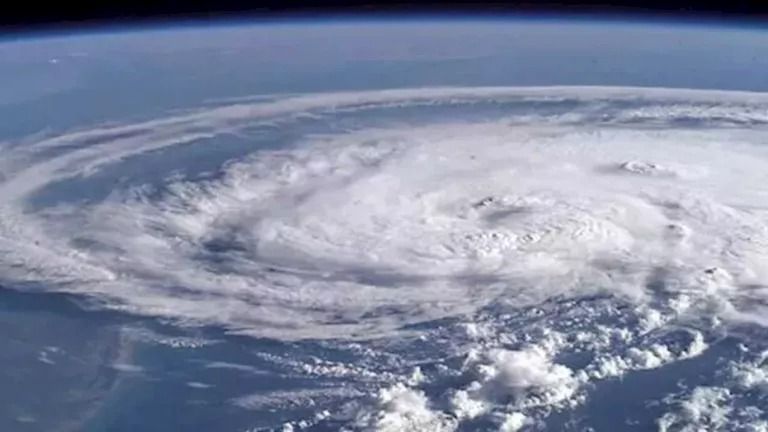
Climate experts and meteorologists are paying attention to the development of the “El Nino” phenomenon, amid expectations that it will intensify in the coming months and reach exceptional levels, known in the media as “Super El Nino”.
El Nino is associated with an increase in surface water temperatures in the central and eastern tropical Pacific Ocean, a change that can affect atmospheric movement and the distribution of pressure, winds, and precipitation over large areas of the world.
Dr. Manar Ghanem, a weather forecaster at Egypt’s Meteorological Authority’s Center for Forecasting and Early Warning, said the phenomenon is a recurring natural climate cycle and can usually last between 9 and 12 months.
What does El Nino do to the world’s weather?
According to Ghanem, the increase in the temperature of the waters of the Pacific Ocean affects the rate of evaporation, the movement of winds and the distribution of atmospheric pressure, which causes the weather patterns to change from one region to another.
Some regions of the world may experience heavy rains and floods, while the risks of drought and heat increase in other regions, the nature of the impact varies according to the geographical location and climatic conditions of each country.
The latest forecasts from the World Meteorological Organization indicate that El Nino will continue to strengthen in the coming months, reaching a very strong level and approaching its peak in late 2026, and its climatic effects are expected to continue into the first months of 2027.
November and December are under surveillance
Manar Ghanem explained that the phenomenon started from May last year before it gradually intensified, suggesting that the period around the months of November and December will be one of its strongest phases.
If current escalation scenarios play out, the phenomenon could reach exceptional levels, placing it among the strongest El Nino events recorded in decades, according to current climate projections.
This reinforces estimates from the US Climate Prediction Center, which sees a more than 90% chance that El Niño will reach very strong levels in the fall and winter of 2026-2027.
Will the effects of “Super El Niño” reach Egypt and the Arab region?
As for Egypt and the Arab region, the impact is expected to be less direct compared to regions bordering the Pacific Ocean, but this does not rule out some weather patterns or extreme events.
Ghanem emphasized that the phenomenon’s impact on Egypt remains limited and indirect, but it may coincide with unusual weather conditions or an increase in the severity of some phenomena in autumn and winter.
He emphasized that El Nino is not the main cause of climate change; Emissions, global warming and human activity play a major role, and natural events can increase the intensity of some climate impacts when they reach extreme levels.
As the indicators grow, the importance of monitoring early warning systems and weather and climate updates increases, especially with the possibility that the coming winter will bring different weather patterns to several regions of the world.
