

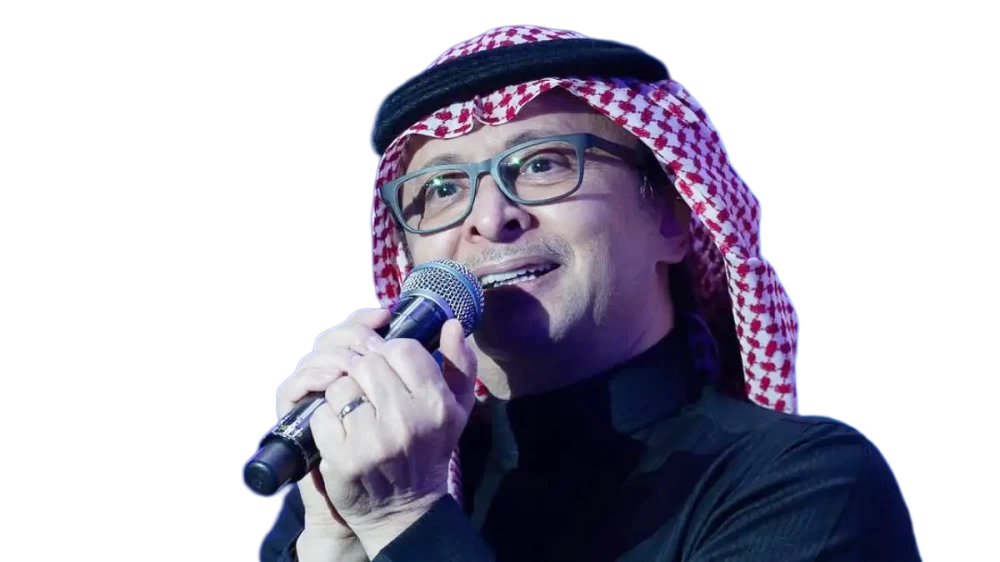
I and many others like me are trying to understand the lyrical explosion of artist Abdul Majeed Abdullah that resulted in 21 songs! Does its size make sense? Personally, I see it as a random decision, as if someone shot dozens of arrows with one arrow at one target! I understand this for a promising young artist trying to make it big, but for Abdul Majeed Abdullah to bring it with all his history is – in my personal opinion – an intolerable dumping by the new song market and the AI song revolution that has spread across the globe, east and west. Abdul Majid Abdullah, after decades of creating songs in the Gulf and in the Arab conscience, stands today in this particular region where the question is no longer: how many songs can he perform? Or rather: which song deserves to be added to its history? Here you can read his new album 2026. The abundance of works seems at first glance to be artistic activity and the desire to give the audience many spaces, but upon listening reveals a more difficult question related to the selection criteria. An abundance of songs does not automatically translate into richness, just as an abundance of names and experiences on an album does not necessarily create true diversity. Abdul Majid, whose previous and old songs were raised again and spread again, such as “Imagine” and “The Bird of Ashgans”, needed an exaggerated artistic waste, which does not give his work the opportunity to be heard, nor to survive and endure, given the acceleration and variety of artistic content, the variety and diversity of his audience. Abdul Majeed has an advantage that can become a burden on his experience: his voice can give a song more than the song sometimes gives it. He knows how to elevate an ordinary phrase with his performance, how to give a familiar word some privacy, and how to use the space between words as part of a song. This is a skill that has contributed much to its uniqueness, but it makes the selection process more sensitive, because the beauty of the performance may momentarily hide the limitations of the idea, but does not guarantee its longevity. Here is the difference between a song heard and a song left. On an album of this size, the songs begin to compete with each other rather than complement each other. One progresses, then another arrives, before the first ceases, and the selections pile up until the album loses some of its function as a stand-alone project. It becomes more of a vast library of songs than a state of the art, with clear mood and clarity. This is not a crisis for Abdel Majid alone, but a problem imposed by the modern music industry as the abundance of content and speed of consumption forces more. However, an artist with a long history is more likely to resist this temptation rather than react to it, as happened with Abdel Majid. It’s not that the 2026 album contains a lot of songs, but that this abundance begs the question of what could have been left out. A great work of art is not always measured by what is added to it, but its value lies in what its owner had the courage to exclude. An album with smaller numbers and tighter selections could have given his songs more room to breathe and allowed listeners to relate to them instead of having them all race through their memory. In the end, Abdul Majeed “saved dinner” with all its components, although it did not suffer from a crisis of appearance, a weak presence or a lack of audience, and he had to protect his story from superfluous productions. In the background of these people, the question remains: how many songs? Will a sated audience feast on this hearty dinner pile?
I, along with many others like me, are trying to understand the musical explosion of artist Abdul Majeed Abdullah, which resulted in 21 songs! Does it seem logical to someone of his stature? Personally, I see it as a random decision, akin to someone shooting dozens of arrows to hit one target with just one arrow! I may understand this from a promising young artist who is still finding his way, but for Abdul Majid Abdullah, with all his history, this is – in my personal opinion – an overload that the new song market cannot bear, especially with the AI song revolution that has spread throughout the world, East and West. Abdul Majeed Abdullah, after decades of creating songs that have captured the hearts of Gulf and Arab audiences, stands today at this very place where the question is no longer: How many songs can he deliver? Or rather: which song deserves to be added to its history? From this we can read his new album 2026, because the multiplicity presented in this work can be seen at first glance as an artistic activity and a desire to offer multiple spaces to the audience. However, upon listening, it reveals a more difficult question related to the selection criteria. An abundance of songs doesn’t automatically translate into richness, just as an abundance of names and experiences on an album doesn’t necessarily make for true diversity. Abdul Majeed, whose earlier and older songs were revived and restored their presence, such as “Takhyal” and “Tair Al-Ashjan”, did not need unnecessary artistic waste, which did not give his work a chance to be heard, nor did it stand the test of time in the light of the fast pace and variety of artistic content and its diverse audience. Abdul Majid has a quality that can become a burden on his experience: his voice can give a song more than the song sometimes gives. He knows how to elevate an ordinary phrase with his performance, how to infuse a familiar word with his own uniqueness, and how to use the space between words as part of a song. This ability has created much of his uniqueness, but makes the selection process more sensitive, as the beauty of a performance may temporarily hide a limited idea, but cannot guarantee its longevity. Here is the difference between a song heard and a song left. On an album of this size, the songs start to compete with each other instead of complementing each other. One song moves forward, then another follows, before the first settles down and the options pile up until the album loses some of its character as a single project. It approaches a vast library of songs rather than an artistic state with a clear mood and a clear path. This is not just Abdul Majeed’s crisis, but a problem imposed by the modern music industry, where the abundance of content and speed of consumption pushes for more. However, an artist with a long history is expected to resist this temptation rather than reacting to it, as happened with Abdul Majid. It’s not that the album 2026 contains many songs, but that this abundance raises the question of what could have been left out. A great work of art is not always measured by what is added to it, but its value lies in what its creator had the courage to exclude. An album with fewer songs and a tighter selection could have given his songs more room to breathe and give listeners a chance to relate to them, instead of putting them all in a race for his memory. In the end, Abdul Majid is ‘Kaab Al-Isha’ in all its components, because he is not bothered by an attendance crisis or poor attendance or lack of popularity, and he has to protect his story from the excesses of his production. In the background of this crowd, the question remains: how many songs Will the audience enjoy this rich dinner pile?
