

Published on 12/9/2026
|
Last update: 9/13/2026 05:01 (Mecca time)
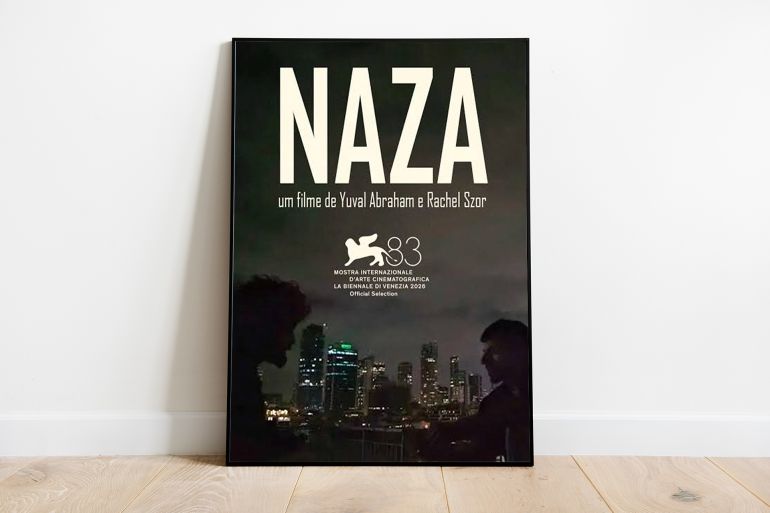
The documentary NAZA won the Special Jury Prize at the 83rd Venice International Film Festival, which concluded on Saturday evening. The film is about the Israeli army’s use of surveillance technology and artificial intelligence to select targets in the Gaza Strip and kill Palestinian civilians as a result.
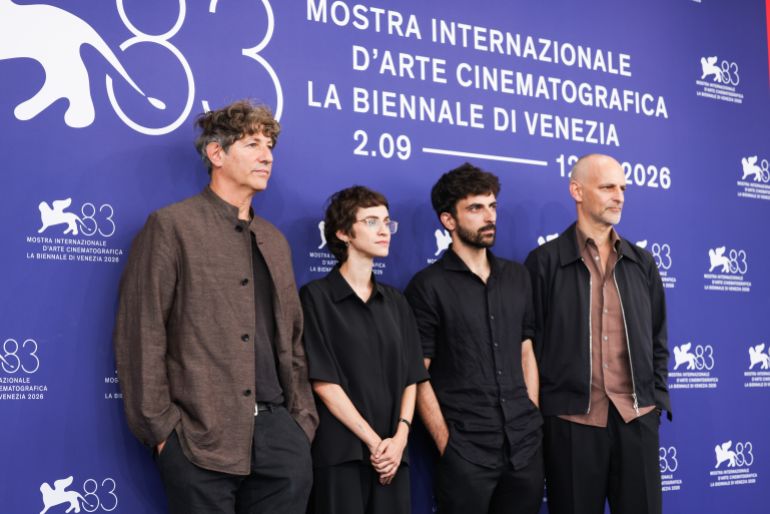
The film, directed by Israeli journalists Yuval Abraham and Rachel Zur, was one of the most famous works nominated for the Golden Lion award after receiving a significant public reception at its world premiere on Thursday, when the applause lasted for about 25 minutes, in what the press described as the longest in the festival’s history.
Suggested stories
2 item listEnd of list
Although the “Golden Lion” for the best film went to the Danish work “Unknown Woman”, “Naza” left the festival with one of the most outstanding awards of the official competition, in which 21 films participated.
Testimony from the army
“NAZA” is based on the testimony of 24 Israeli intelligence officers and soldiers and depicts what its directors describe as an integrated system of killing Palestinian civilians that relies on data collection, surveillance, phone hacking and the use of artificial intelligence systems, before carrying out remote raids.
The film’s title refers to the Israeli military acronym used for the expected civilian casualties during the crackdown, including men, women and children. The film places this term at the center of its investigation, charting the way in which expected human casualties were converted into a number that entered target selection calculations.
The interviews were filmed secretly on the roofs of buildings in Tel Aviv over a period of 3 years, and the directors concealed the identities of the participants while digitally altering their voices and features to protect them.
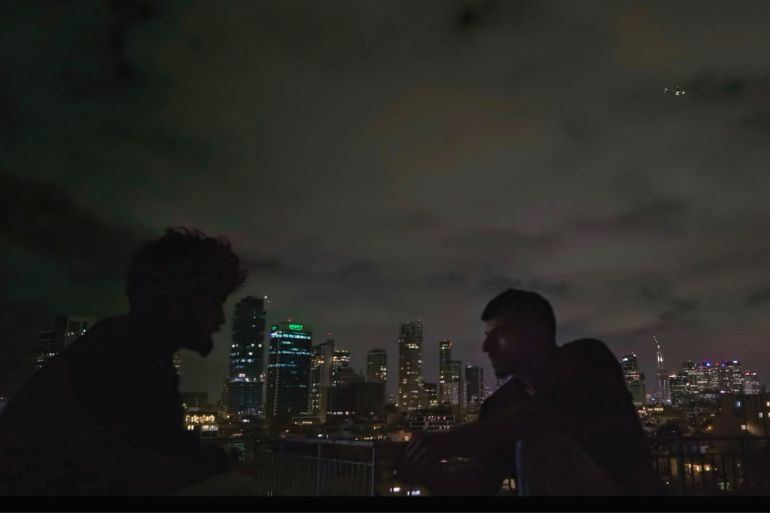
Participants recounted the targeting of people suspected of having links to the Hamas movement in their homes and apartments, even though those responsible for the operations knew their family members were there. They also talk about destroying entire neighborhoods and eavesdropping on targets’ conversations with their wives and children before bombing them.
Abraham said the film depicts a targeting system designed to hit people in civilian areas and their family homes, noting that in some operations the civilian toll was in the hundreds when entire villages or neighborhoods were destroyed.
According to testimony, Israeli intelligence used data collected from thousands of hacked phones to determine when a target would return home. Officers said removing a phrase such as “Daddy’s home” from the child’s phone could have triggered the raid.
The film also refers to the killing of civilians in areas where the Israeli army has declared a ban on entry, without clearly informing residents of the limits, including near aid distribution points.
From investigative journalism to cinema
Naza bases its material on investigations published between 2023 and 2025 in the Israeli-Palestinian magazine +972, the Jewish website Local Call and the Guardian newspaper, which was also involved in the production of the film.
The two directors said that turning the published testimony into a cinematic work allowed the audience to hear the narratives of the people involved in the design and operation of the military systems and observe their efforts to explain their mechanisms and their silences and hesitations in front of the camera.
The film does not focus on the motives of the military sources or their remorse; Some participants expressed regret, while others spoke with indifference or pride. Abraham explained that making the feelings of the officers and soldiers the focus of the story would distract from the main issue, which was the structure and policies of the regime that allowed the killing of civilians, rather than the moral status of all those involved.
The creators of the work were inspired by the British director Jonathan Glazer’s film “Zone of Interest”, which did not remove the victims of Auschwitz from the picture and continued their presence through the surrounding sounds and details.
Glazer is executive producing Nazza, and James Wilson is producing in association with The Guardian. According to the Venice Film Festival’s official website, the film is 80 minutes long and is a British production in Hebrew and English.
“No Other Earth” expansion
The film is a continuation of the path that Abraham and Zur started in the documentary “No Other Land”, which won the Oscar in the category of best documentary in 2025, which he completed with Palestinian directors Basil Adra and Hamdan Bilal.
While the previous film documented the destruction of Palestinian communities and the displacement of their residents to the West Bank, Naza delves into the Israeli military system, relying on the testimonies of people who were involved in the operation of its instruments during the Gaza war.
Abraham said the new work does not represent the killing of civilians as the result of random mistakes or individual actions by soldiers who disobeyed orders, but rather addresses policies, guidelines, professional language and accepted practices within the military system.
“Naza” was the only documentary film that participated in the official competition this year. Some attendees raised Palestinian flags after its presentation, amid widespread critical acclaim describing it as a shockingly cinematic investigation into how civilians have been reduced to numbers in airstrikes’ calculations.
The film’s win returns War in Gaza to the top spot at the Venice Film Festival for the second time in a row, after Tunisian director Kawtar Ben Haniyeh’s The Voice of Hind Rajab won the Silver Lion at the 2025 session. This year, Ben Haniyeh participated in the jury headed by American actress and director Maggie Gyllenhaal.
