
“Tank for Tanker”… Washington is changing the rules of engagement to deter Iran
On Wednesday, US sources revealed that Washington had switched to a “tanker-for-tanker” policy in the Strait of Hormuz after targeting two Iranian tankers, while the Revolutionary Guards announced the killing of seven members and Tehran expanded attacks on “US bases” in the region.
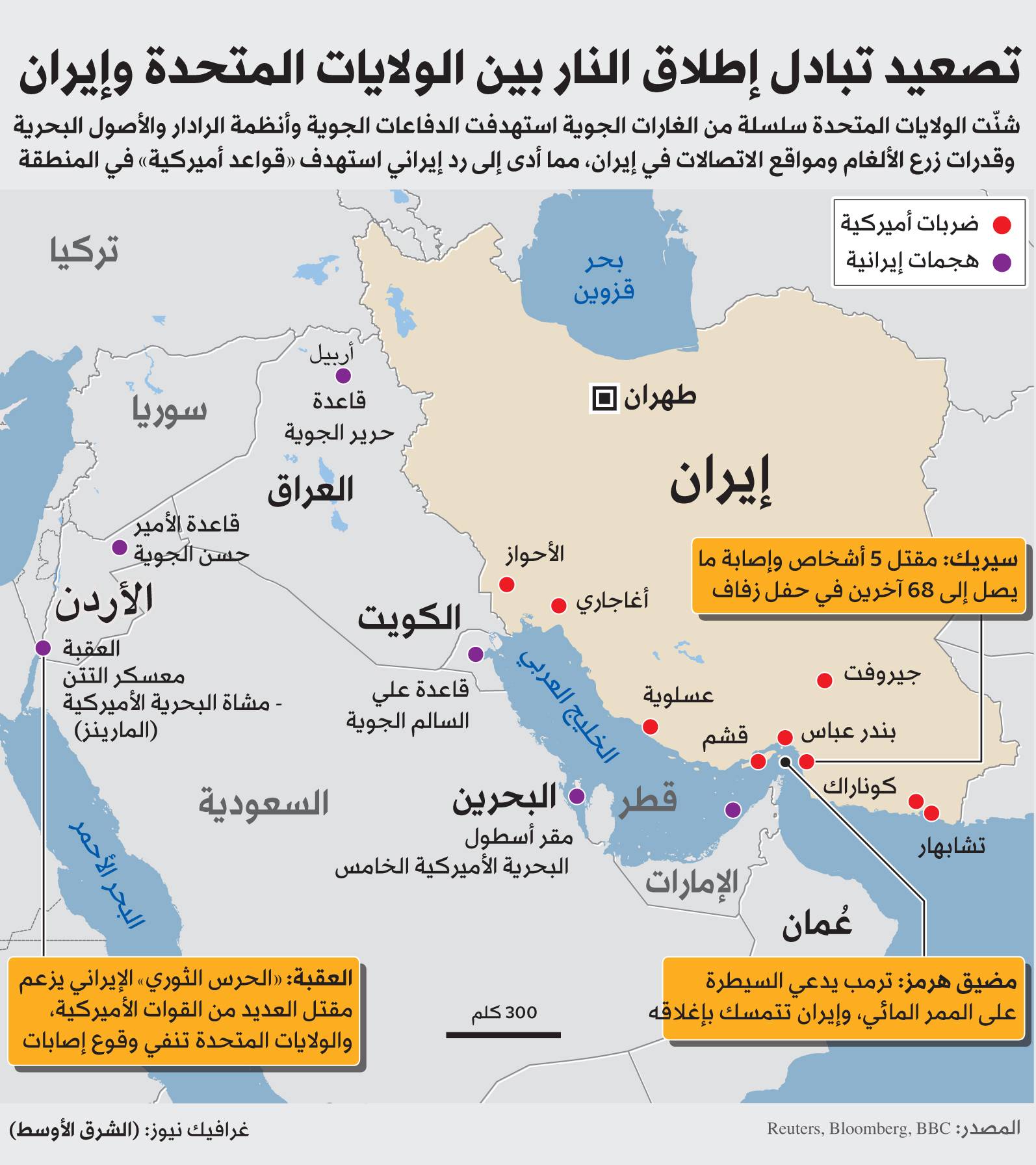
The Guards said four members of a missile unit were killed in a US strike in the western province of Kermanshah, while Iranian media reported that three members of the Basij, the Revolutionary Guards’ mobilization group, were killed in a strike on Lawan Island.
In Ahvaz, in the country’s southwest, the state news agency IRNA quoted Waliullah Hayat, the deputy governor for security affairs, as saying that seven people were killed and eight were wounded in the US attack that targeted three locations, including Ahvaz and Agajar. It is not yet known whether the dead are civilians or soldiers.
The head of the provincial University of Medical Sciences in Hormozgan said four people were killed and 68 injured in the attack on Sirik. According to him, 19 of the injured are children under the age of ten, including seven boys and 12 girls.
He explained that the strikes that targeted the governorate on Tuesday night also injured six people on Lawan Island and four others on Qeshm Island, noting that their general conditions are stable after treatment.
The official’s confirmation came after Iran’s Red Crescent Society said five civilians, including a child, were killed and 50 others wounded in an attack on a wedding party in the village of Kohstak near Sirik on the Strait of Hormuz.
Iran’s Foreign Ministry spokesman Ismail Baghai said a wedding was being held at the targeted residence, adding that more than 50 people were killed or wounded. He said: “What is more dangerous than the bomb itself is that bombing is becoming a normal thing.”
A spokesman for US Central Command in the Middle East (Centcom) said the command was aware of Iranian reports of civilian deaths in Cohostak, but stressed that “US military forces never target civilians”.
Syntax 100 goals
Iranian reports indicated that the strikes extended from Bandar Abbas, Qeshm, Jask, Minab and Sirik to the ports of Chabahar, Konark, Asaluye, Lawan Island and the city of Jirift in Ahvaz province, the largest US strike since the resumption of direct hostilities.
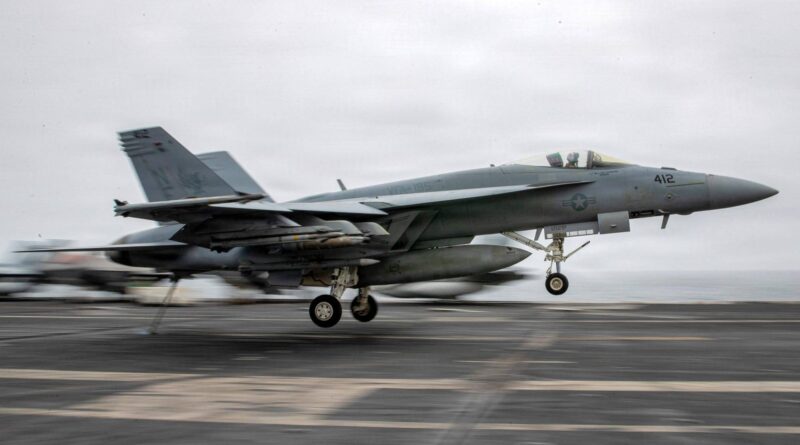
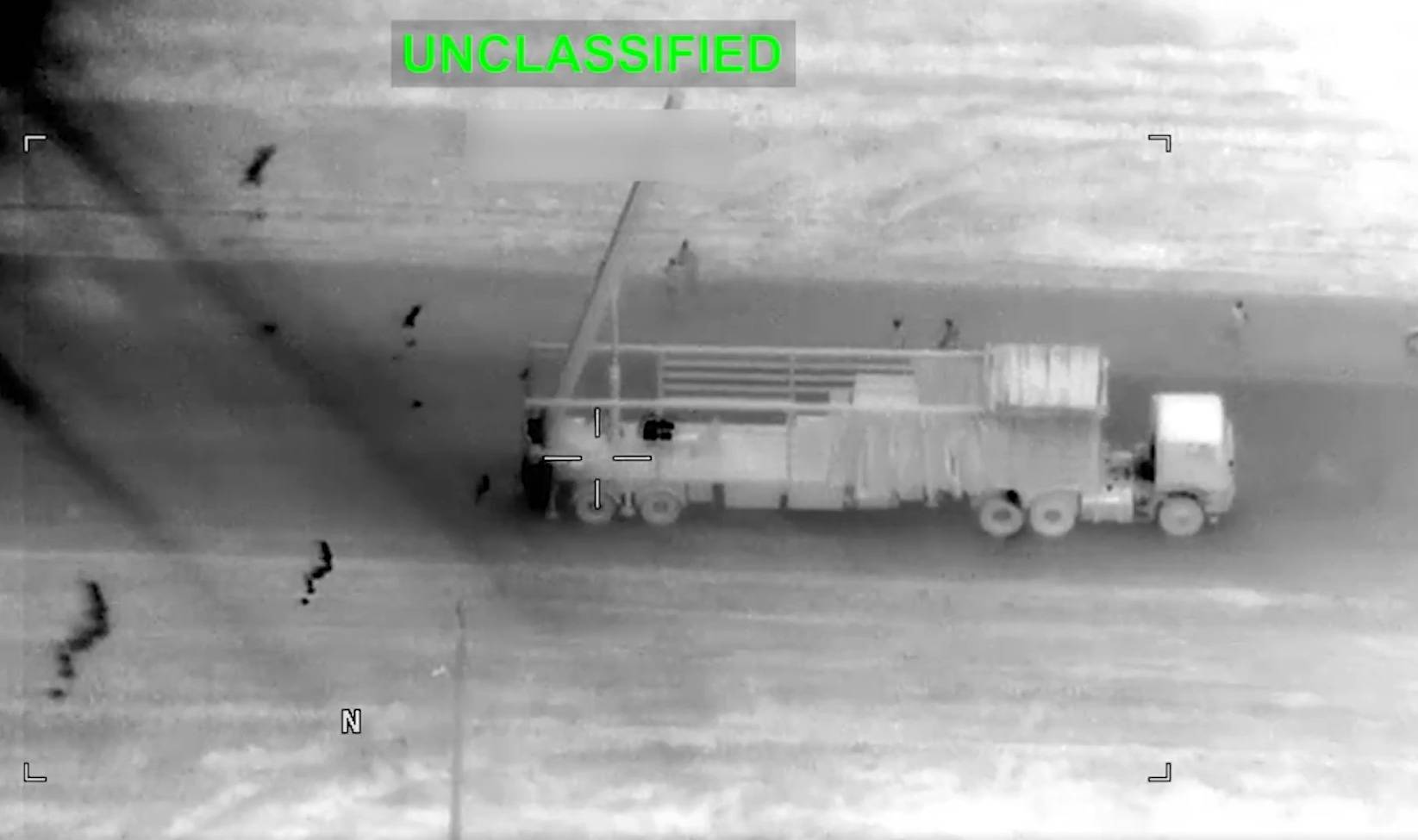
U.S. forces hit about 100 targets during Tuesday’s strikes, including air defense facilities, radars, mine-laying capabilities, communications facilities, anti-ship cruise missile platforms and Revolutionary Guard aircraft launchers, U.S. officials said.
Centcom said the strikes followed recent efforts by the Guard to target commercial ships in the Strait of Hormuz and US military personnel stationed in the region.
The attacks first involved two Iranian government-owned tankers docked off the coast of Iran, north of the US naval blockade line. US officials said the planes fired missiles that hit the engine rooms of the two tankers.
According to Axios, the operation was carried out as part of a new policy approved by President Donald Trump called “Tanker for Tanker” to respond to Iranian attacks on ships passing through the strait, instead of limiting the targeting of Iranian tankers to prevent them from violating the blockade. In a separate story, the Revolutionary Guards announced that two tankers hit mines while crossing the Strait of Hormuz outside the navigation route designated by Iranian forces and that they caught fire after the explosions.
The Guards said the two tankers tried to “cross an illegal route at the instigation of the US military” before “hitting mines and detecting explosions”, adding that they were “currently under fire”.
A US official told Axios that the strikes weakened Iran’s offensive capabilities around the strait and reduced the threat level to commercial shipping for “at least a month”.
The broader plan, which Trump and his aides discussed, was to target the capabilities that Iran periodically rebuilds around Hormuz in an approach that a US official described as “mowing the lawn”.
Sources told Reuters that Trump’s aides are currently trying to avoid an all-out escalation of the return war before November’s congressional elections. A Reuters/Ipsos poll in late August found that opponents of the war outnumbered those who supported it among Americans by more than a factor of two.
Iran’s response
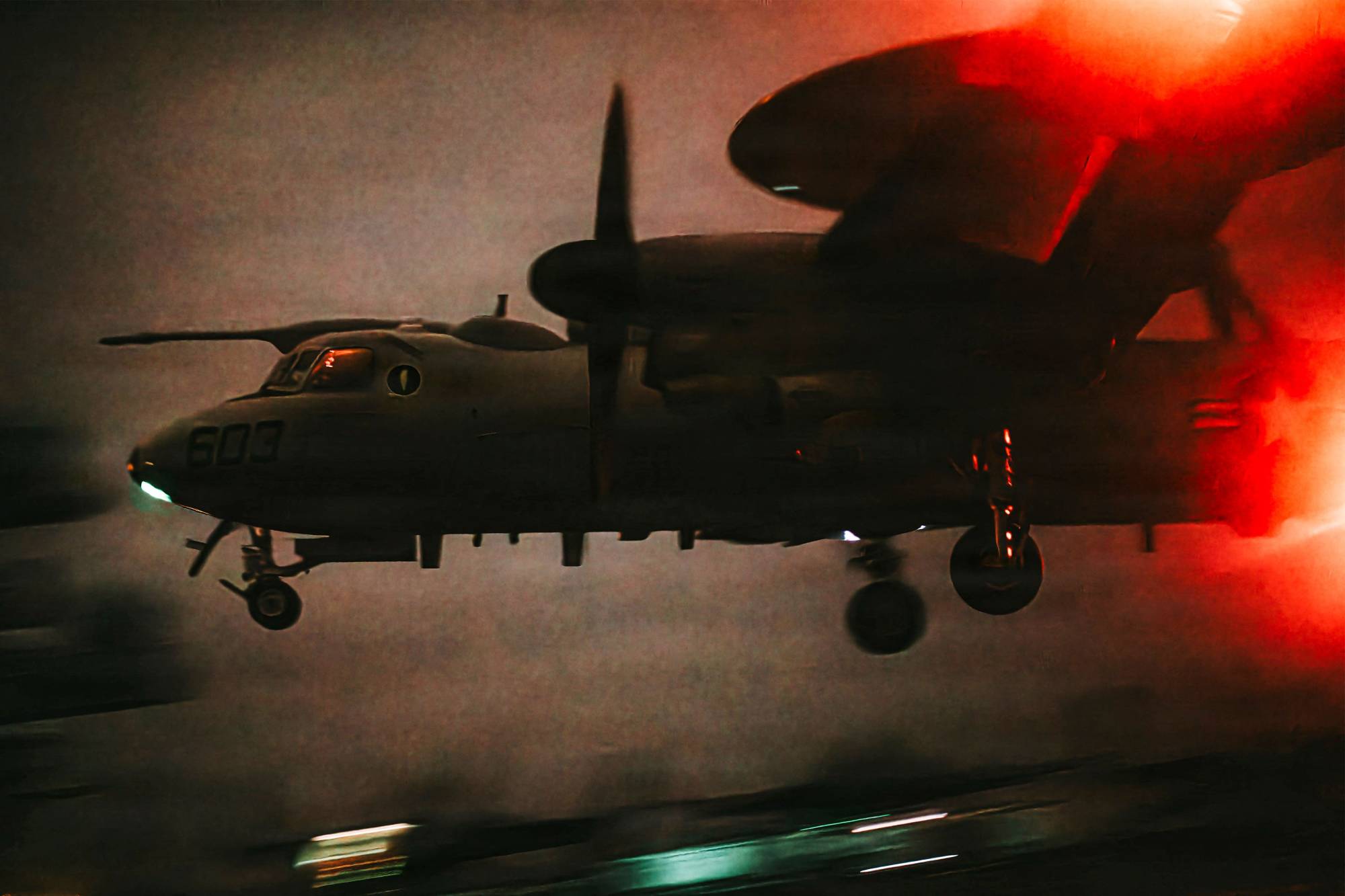
Iran’s General Staff and Revolutionary Guards have announced in official statements that they have targeted US assets in Jordan, Bahrain, Kuwait and Iraq after their armed forces announced the launch of a “decisive operation” in response to US attacks.
On Wednesday, the Revolutionary Guards announced a missile and drone attack on the Ali al-Salem air base in Kuwait, saying it targeted “the residence of the US commander and aircraft facilities”.
Kuwaiti fire brigades said a fire broke out in a residential complex in the capital after it was targeted by an Iranian drone and was extinguished with no injuries or material damage.
Jordan’s armed forces said their defenses intercepted 13 ballistic missiles that entered the airspace and intercepted ten of them, while three landed in remote areas. Two US officials said initial estimates did not show casualties.
According to a US official, Iran launched about 25 ballistic missiles, but only half of them reached Jordanian airspace. It also launched about 24 airstrikes against US bases in Bahrain, most of which were intercepted, except for missiles and drones headed for Kuwait.
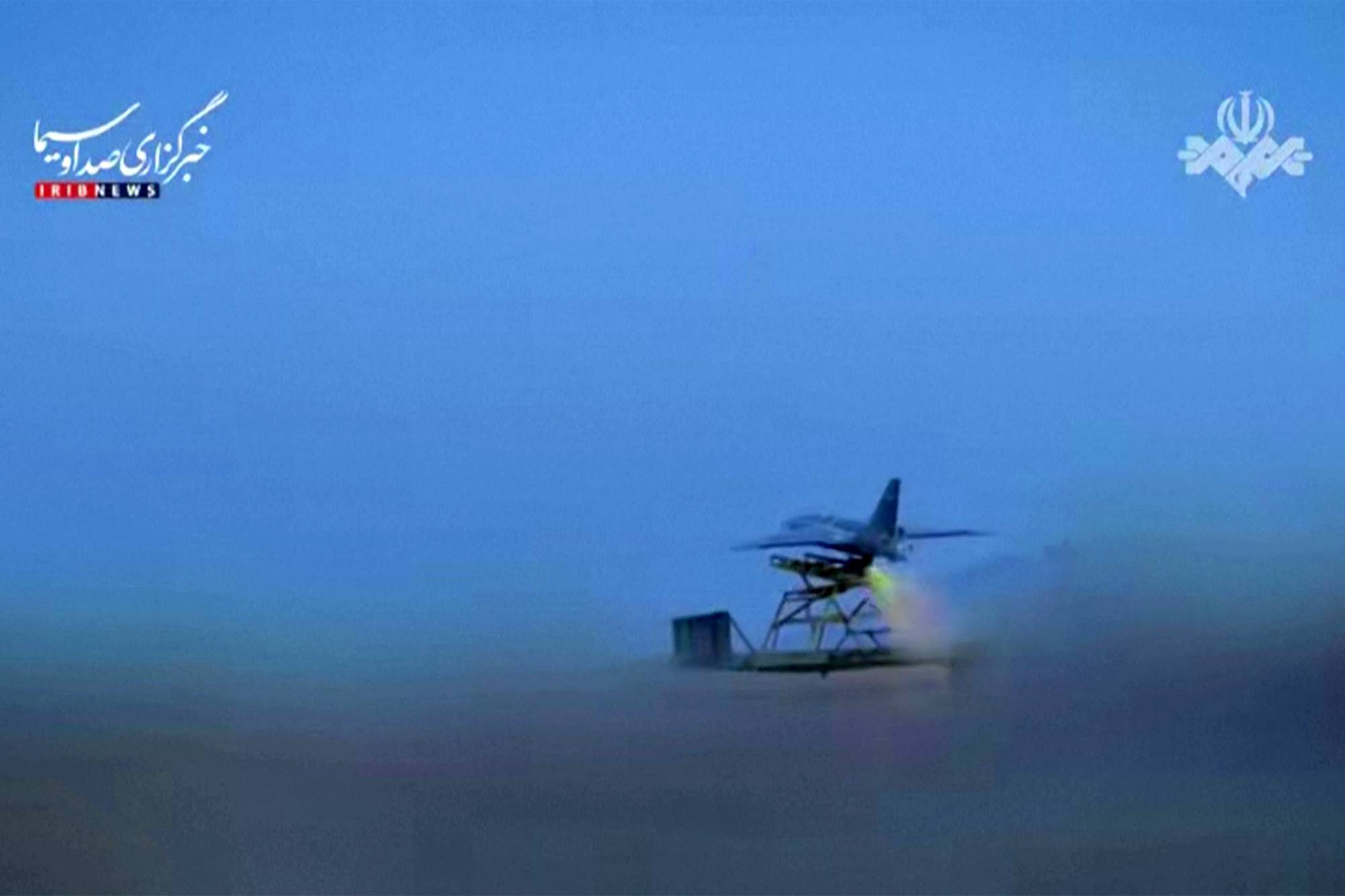
In Iraq, the Guard said its forces had carried out joint missile and drone strikes on US facilities in Erbil, including “technical equipment warehouses and warehouses” and a “spy balloon” control system. Neither Washington nor Baghdad confirmed this story.
Video footage of the fires in Erbil was released early Wednesday, but could not be independently verified. An American official said that two drones were launched and intercepted at the American base in Erbil.
In Qatar, which helped broker a cease-fire deal in June, the foreign ministry said Iran’s attacks would further complicate efforts to contain tensions and held Tehran “full legal responsibility” for the attacks and their aftermath.
Strait of Hormuz
The escalation coincided with US forces escorting ships through the Strait of Hormuz. About 40 ships carrying millions of barrels of oil passed through the strait in both directions on Tuesday, a US official said.
He added that US forces intercepted an anti-ship cruise missile and a drone launched by the Revolutionary Guards at the ships, but none of them were hit.
The current round began after the US strike on Lark Island, during which Washington said the Guard was preparing to launch missiles carrying naval mines into the strait. Tehran later responded by firing missiles at American targets in Jordan.
After Tuesday’s attacks, Trump threatened a tougher response if Iran continued its attacks, saying Tehran had been hit “much harder and harder” and that a bigger attack was “waiting behind the scenes.” He later said Iran “will no longer exist” if it continues to react.
He added that the United States’ position had become “much better” with what he called “almost complete control” of the Strait of Hormuz and the collapse of Iran’s economy.
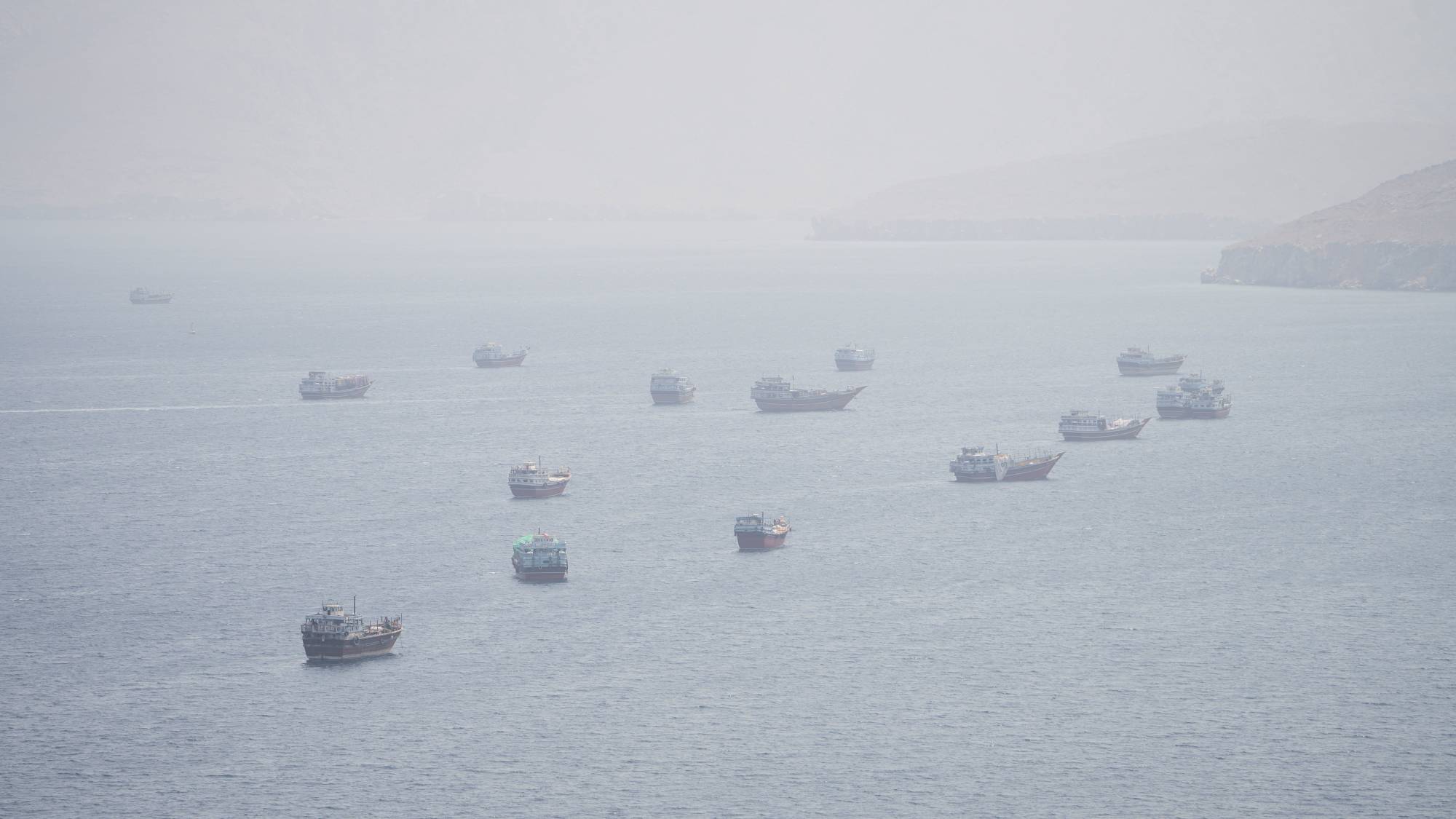
As for Iran’s military leadership, he warned that any country that helps US forces will face a “tougher, more destructive and far-reaching response.” The Revolutionary Guard urged ships to follow the rules for crossing it, saying the American attacks had tightened the closure of the strait.
The new round comes after the war has drained Iran’s economy and weakened its conventional forces, while the US military has consumed much of its stockpile of long-range precision missiles, Reuters reported last month.
Mohsen Rezaei, secretary of Iran’s Supreme National Security Council, hinted at a broader shift in how Tehran manages the standoff, saying the United States will soon see “Iran’s new strategy in the field and in diplomacy and in confronting the economic embargo.”
Rezaei wrote on the “X” platform: “With these desperate efforts, you will not only be unable to escape from the depths of the hell you have created for yourself, but you will soon see that Iran’s new strategy in the field, diplomacy and economic embargo, will destroy you.”
The exchange of attacks ended a period of relative calm that had lasted since July. Oil rose to a five-week high in markets on renewed concerns over Strait of Hormuz supply, while Asian stocks fell and US 10-year Treasury yields rose.