

Damascus-New York-Sana
After years of research and waiting, the mothers, wives, sisters and daughters of the missing took on the burden of asking for the fate of their loved ones and insisted on their right to know what happened, so that their suffering turned from a family issue to a matter on the table of national institutions, to the United Nations.
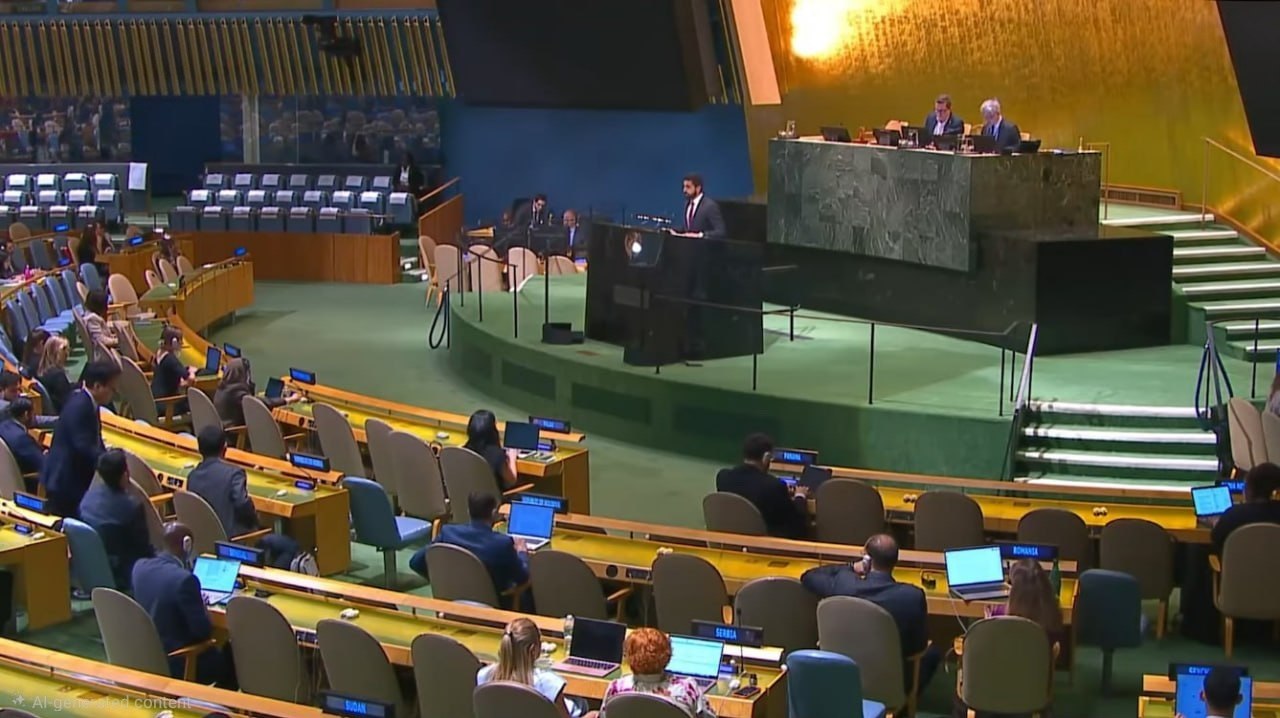
On August 31, 2026, the UN General Assembly unanimously adopted the draft resolution on Syria, which will declare December 19 of each year as the International Day of Respect for Missing Women. issue.
why women
Women’s choices in particular reflect the nature of the role they played during the years of absence, from tracking the missing person’s fate, gathering information and saving photographs and documents, to confronting the consequences of absence from the family despite fear and danger.
Activist Bayan Raihan, who lives in Germany and is the sister of a former detainee and missing person, and a member of the association “Families for Freedom”, said: For her, the international day is a tribute to Syrian women and the efforts they made to find their loved ones.
In an interview with SANA, Raihan recalled her experiences with the mothers, wives and sisters of missing persons, noting that patience was their distinguishing characteristic, and that the women continued to search for their loved ones and defend their cause despite the passing of years.
In other cases, the woman herself was the victim of disappearance or arrest, and for her this issue became a double issue: the search for an absent relative and the experience of absence that she lived personally.
The Permanent Representative of Syria to the United Nations, Ibrahim Olab, in a statement given to SANA, confirmed that the establishment of the International Day of Respect for Missing Women places them on the map of the international community and noted that the resolution calls on member states, units of the United Nations system, international and regional organizations, civil society, private sector, and media. and the consequences they face.
Olabi added that the ruling promotes the inclusion of women missing persons searchers in case-related discussions and related decision-making processes.
From the voices of families to institutions
Behind the initiative is the search for missing people for many years, preserving their photos and memories and protecting the right of families to know the fate of their loved ones, despite the risks.
From this experience, the idea of dedicating an International Day to Women Searchers for Disappeared emerged at a time when the issue of missing persons began to institutionalize, the UN General Assembly on June 29, 2023 established an independent international institution dealing with missing persons in Syria, and then established the National Commission for the Search of Missing Persons. missing persons to reveal their fate and support their families.
From the voice of families to the table of the United Nations
The initiative went from families to an international track through a partnership between the Ministry of Foreign Affairs and the National Authority for Expatriates and Missing Persons, based on direct hearings from the families of the missing.
Last July 22, the head of the National Commission for Missing Persons, Muhammad Reza Galkhi, at the session of the Transitional Justice and Security Council for Missing Persons in Syria, called on the member states of “Aria” to support the adoption of the International Women’s Day of the Families of Missing Persons.
On July 27, Galkhi and the Permanent Representative of Syria to the UN, Ibrahim Olabi, held a dialogue session with women from the families of the missing and forcibly disappeared to hear their experiences and views on the initiative.
Olabi to SANA: From Syrian Initiative to International Consensus
Olabi said in a statement to SANA: The adoption of the draft resolution represents a historic moment for Syria in its multilateral relations, as it is the first time in decades that it takes the initiative, formulates a draft resolution and conducts negotiations with member states, in parallel with the coordination with the UN General Secretariat.
He explained that the adoption of the resolution by consensus is a testimony to the advanced level that Syrian diplomacy has reached in a short period of time, politically and technically, noting that reaching a text on which all member states agree, despite their different interests, concerns and fears, is an achievement whose extent is understood only by those who have worked on the tension. Negotiations and procedures leading to consideration of draft resolutions by the General Assembly.
The representative of Syria added that the phrases used in the resolution came from the womb of suffering, explaining that during a meeting with women searching for missing persons in Damascus, in the presence of the head of the National Commission for Missing Persons, Mohammed Reda Jalkhi. alive
She said the drafting of the text had faced resistance from some countries, which followed the usual language of United Nations resolutions and moved away from wording derived from women’s experiences. However, constructive engagement, diligent negotiation and mutual flexibility have helped to overcome obstacles, reach a text adopted by all countries, support women seekers of missing persons, and recognize the challenges of finding their family members.
Why December 19?
The selection of December 19 was not a passing international case, as it is related to the International Convention for the Protection of All Persons from Enforced Disappearance, which was adopted on December 20, 2006.
Olabi noted that the day before the agreement was adopted, the choice was to recognize the role played by women who search for missing persons and the sacrifices, challenges and suffering they have undergone to bring this issue to the international community.
This historic connection gives the occasion a new dimension that goes beyond respect, as the international day comes on the eve of a date that represents a fundamental milestone in international efforts to combat enforced disappearances and puts women at the forefront of this path.
Thousands of absentee cases
The decision comes at a time when the issue of missing persons remains one of the biggest humanitarian and human rights challenges in Syria.
According to the latest update of the Syrian Network for Human Rights database as of August 30, 2026, at least 177,021 people have still been forcibly disappeared in Syria since March 2011, including 4,536 children and 8,984 women. The network recorded 45,365 deaths due to torture or inhumane conditions of detention, including 45,038 who died in detention centers owned by the former regime.
The network indicated that 1,609 enforced disappearances, including women and children, were registered as dead in civil records without informing the family or disclosing the circumstances of their death, making it even more difficult to ascertain the true fate of the missing.
From documentation to national responsibility
Before the case was referred to national and international institutions, families, activists and victims’ organizations collected testimonies and information, documented violations and preserved the names of the missing persons. During the war years, the evidence base was accumulated, which did not keep this issue in international forums.
The “Caesar” file was one of the best-known models of documentation that brought images of abuses in detention centers to the international level, and after December 8, 2024, this effort gradually moved into an institutional framework with the National Authority on Missing Persons, which works to research, document, communicate with families and create a national database.
From recognition to consequences
Having December 19 as International Day does not end the search journey and in itself does not provide answers for the families, but it gives the issue sustained international recognition and places the role of women searchers for missing persons in an international event that is repeated every year.
In Syria, on August 30, the National Authority for Missing Persons launched a national program to obtain information on missing and enforced disappearances through the Athar app and website, while working on more than 170 mass graves, including securing the sites, collecting evidence, identifying remains and linking the results to missing persons data.
The issue of Syria… and a message to the world
With the adoption of the resolution, the initiative moved from the Syrian context to a broader area that includes women searching for the missing in different regions of the world, placing responsibility on the international community related to research efforts, preservation of evidence, and ways for families to access information and participate in ways that determine the fate of their loved ones.
In this way, the experience that began with Syrian families living years of absence has turned into an international resolution with a permanent name and history, but the achievement goes beyond the celebration of a day to be the beginning of a wider path to reveal the fate of the missing, allowing their families to know what happened to their loved ones and turning international recognition into a message that restores the family name and destiny.
