The Complete Bathroom Renovation Guide: Costs, Timeline and What Actually Happens
Everything I wish homeowners knew before their first bathroom remodel — realistic budgets, a full timeline, decisions that quietly add thousands, and the small choices that make the finished room feel worth every penny.

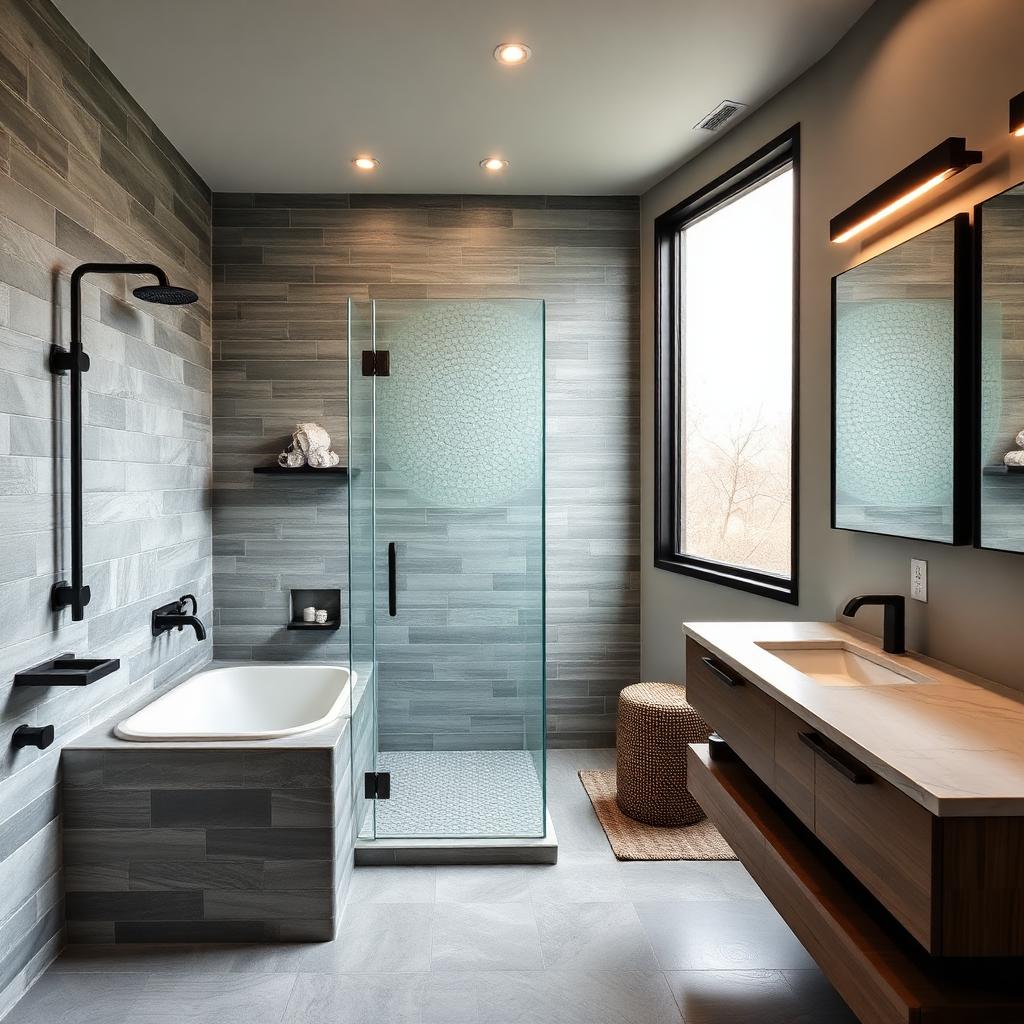
In twenty-two years of running renovation crews, I've torn out more bathrooms than I can count, and every single one taught me something new. Bathrooms look small on paper, so first-time renovators tend to underestimate them wildly. Then the tile guy finds rot behind the tub, the vanity ships two weeks late, and the whole timeline slides. It's the room with the most trades packed into the smallest footprint, and that's exactly why it's the room where planning pays off the most.
This guide is the one I wish someone had handed me before I bought my first fixer-upper. It walks through what a bathroom renovation actually costs in 2026, how long it really takes, the decisions that quietly balloon the budget, and where a homeowner can save real money without ending up with a room that ages badly. No hype, no Pinterest fantasies — just the process as it actually plays out.
What a bathroom renovation actually costs in 2026
The national average for a mid-range full bathroom remodel is somewhere between $15,000 and $30,000 in most metros, with high-end and primary bath renovations regularly landing in the $40,000 to $80,000 range. A simple guest bath refresh — new vanity, new toilet, retiled floor, keep the tub — can come in around $8,000 to $12,000 if you're smart about it. The number that surprises people most isn't materials; it's labor. On most bathroom jobs I've priced, labor is 55 to 65 percent of the total.
The way to think about it: every square foot of a bathroom is more expensive than every square foot of any other room, because you're paying for plumbing, electrical, waterproofing, ventilation, tile, cabinetry and fixtures all stacked on top of each other. A 40-square-foot half bath and an 80-square-foot full bath don't cost proportional amounts because the extra square footage in the full bath adds a tub, a shower, and a huge tile area — the expensive parts.
Regional pricing varies more than most homeowners expect. A tile installer in coastal California charges close to double what one in the rural Midwest does. If you're pricing from articles written for a different region, adjust up or down by 20 to 30 percent and you'll usually land in the right neighborhood.
Where the money actually goes
On a typical mid-range bathroom job I ran, the split looked roughly like this: labor 55%, tile and stone 12%, plumbing fixtures and cabinetry 18%, permits and inspections 3%, disposal and materials handling 4%, contingency actually used 8%. Almost every renovation that blows its budget does so because the contingency wasn't there or wasn't respected.
The single most expensive fixture in most bathrooms isn't the tub or the toilet — it's the shower, once you count the pan, waterproofing membrane, valve, tile, glass enclosure and labor to install all of it. A well-built custom tiled shower with a proper waterproofing system usually runs $4,500 to $9,000 in materials and labor combined. That's why prefab shower units still exist: a good acrylic surround plus a base can cost a third of that and last twenty years.
Tile is the sneakiest budget item. The tile itself might be $6 a square foot, but by the time you add underlayment, thinset, grout, sealer, edge trim, waste and the installer's day rate, you're often at $18 to $25 a square foot installed for a mid-range floor. Marble mosaics and hand-cut patterns can push that past $50.
How long a bathroom remodel really takes
A full gut renovation of a standard bathroom, done properly with permits and a real contractor, takes three to six weeks from demo to final walkthrough. That's not three to six weeks of active work — it's three to six weeks total, including inspection windows, tile mortar cure times, custom vanity lead times, and the day where absolutely nothing happens because the plumber and the electrician can't both be there.
Here's what a realistic three-week timeline looks like on a job where everything goes right. Week one: demo, framing corrections, rough plumbing and electrical, insulation, first inspection. Week two: cement board and waterproofing, tile installation (floor first, then walls), grout and cure time, vanity delivery and set. Week three: plumbing fixtures set, electrical trim out, glass shower measurement and install, paint touch-ups, final inspection and punch list.
The glass shower enclosure is the most common schedule surprise. It can only be measured after tile is set, and most fabricators quote a two-week turnaround. That's why so many renovations feel finished for two weeks with a shower curtain hanging in an empty tile stall. Order the glass while tile is being installed, not after.
The layout decision that changes everything
The single biggest cost driver isn't finishes — it's whether you move plumbing. Keeping the toilet, sink and shower in their existing locations lets the crew reuse most of the existing waste lines and water supplies, which can save $3,000 to $8,000. Moving even one fixture more than a couple of feet often means opening the floor below to reroute drains, and on a second-floor bathroom that means ceiling drywall repair in the room downstairs. Homeowners rarely price that in.
If you're going to move plumbing, do it for a reason the finished layout genuinely needs — turning a cramped bathroom into a walk-in shower, adding a double vanity where you had a single, or moving a door so the toilet isn't the first thing you see from the hallway. Don't move plumbing for aesthetic reasons alone; the payoff isn't usually there.
A tricky trade-off: expanding the bathroom by stealing a closet from an adjacent room sounds cheap, but framing changes, drywall in the neighboring room, and new floor patching in the borrowed space often eat $5,000 before you've bought a single fixture. It can absolutely be worth it — I've done it many times — but go in with eyes open.
What to DIY, what to hire out
Homeowners routinely save the wrong way. The temptation is to DIY tile because it looks like a craft project. In a bathroom, tile is a waterproofing system, not a decoration, and a badly waterproofed shower will fail within five years and cost more to fix than doing it right cost in the first place. Hire the tile work out unless you've done it before with a mentor.
The DIY sweet spot in a bathroom remodel is demo, painting, and installing the vanity, toilet, mirror, lighting fixtures, hardware and accessories. That work is straightforward, doesn't require licensing, and can genuinely save $2,000 to $4,000 if you have a weekend and basic tools. Even setting the toilet and hooking up the sink drain is within reach for a careful homeowner.
Never DIY: shower waterproofing, plumbing rough-in, electrical rough-in inside walls, or gas work (for tankless heaters). Those failures happen behind finished surfaces where they're expensive to reach, and they can cause insurance issues if there's ever a leak claim.
How to hire a contractor and not get burned
Get three bids, but don't chase the lowest. On my own crews, the low bid usually meant either the contractor missed a scope item and would come back with change orders, or they were desperate for work — often for a reason. The middle bid is usually the honest one. Pay attention to how detailed the estimate is: a one-page 'bathroom remodel $22,000' is a red flag; a five-page line-item breakdown is a green one.
Ask for the last three completed projects and actually call those clients. Ask them two questions the contractor can't answer for them: 'Did the final price match the estimate, and if not, why?' and 'How did they handle the moments when things went wrong?' Every renovation has moments where things go wrong. The right contractor communicates through them.
Never pay more than 10 to 20 percent up front, never pay in cash without an itemized receipt, and never sign a contract that doesn't specify the timeline, the change-order process, and who pays for permits and disposal. A missing change-order clause is how a $20,000 budget becomes a $35,000 argument.
Materials that actually last
For flooring, porcelain tile with a matte finish and a slip rating of R10 or better is the workhorse choice. It's waterproof, easy to clean, and if one tile ever cracks it can be replaced. Natural stone looks beautiful for a year and starts to etch and stain around year three unless you're diligent about sealing. Vinyl plank is fine for a powder room but I'd think twice about it in a wet bathroom.
For countertops, a mid-range quartz is the best value in a bathroom right now. It's non-porous, doesn't need sealing, resists the toothpaste and hair-dye splashes that ruin natural stone, and costs about the same as basic granite. Marble is stunning in photos and a maintenance headache in real life; use it on a wall or a bench, not on the surface where you put a coffee mug down at 6 a.m.
For fixtures, spend on the shower valve and the toilet — those are the pieces you interact with daily and the ones most expensive to change later. A good pressure-balanced valve from a name-brand manufacturer costs $200 to $400 and lasts twenty-five years. A cheap valve costs $60, feels flimsy every time you turn it, and starts dripping in five.
Ventilation, waterproofing and the boring stuff that saves your renovation
The two most important components of a bathroom nobody notices are the exhaust fan and the shower waterproofing membrane. A properly sized exhaust fan — vented to the outside, not the attic — is the single most effective thing you can install to prevent mold, peeling paint and dry-rotting trim. Aim for at least 1 CFM per square foot, and on a full bathroom with a shower, install one rated for 90 CFM or more with a humidity sensor that runs it automatically.
For shower waterproofing, insist your contractor use a modern sheet or liquid membrane system rather than the old tar-paper-and-cement-board approach. It's not more expensive to do correctly, but it requires that the installer actually knows the system and follows the manufacturer's directions for corners and penetrations. Ask specifically what waterproofing system they use before you sign the contract.
Insulation matters too, especially on exterior walls behind showers. A cold wall behind hot shower water is a condensation problem waiting to happen. Spend the extra $200 on proper insulation while the walls are open — you'll never have that access again without another renovation.
Lighting a bathroom that flatters the people using it
Bathroom lighting is where most renovations quietly fail. A single overhead fixture in the center of the ceiling casts every shadow downward, which is the least flattering angle possible for shaving, makeup, or looking at yourself before work. Layered lighting fixes it: overhead for general illumination, sconces or vertical strips on either side of the mirror at face height for even light on the face, and a small light in the shower or over the tub for task lighting.
Color temperature should be warm — 2700K to 3000K. Anything cooler starts to feel like a hospital, and the color of your skin, your paint, and your tile will look wrong under it. If you're using LED, look for a CRI of 90 or higher; it's the number that determines whether colors read accurately, and cheap LEDs skimp on it.
Put the overhead light and the vanity lights on separate switches, and put at least one of them on a dimmer. A middle-of-the-night trip to the bathroom on 30 percent light is the difference between falling back asleep and being awake for the next hour.
The finishes that age well vs the ones that date fast
Every era has trend finishes that look dated within five years. In the 2000s it was Tuscan brown. In the 2010s it was subway tile with dark grout on every surface. Right now the risky ones are heavy black hardware everywhere and matte-black plumbing (fine in small doses, exhausting on every surface), plus terrazzo in high-contrast colors. If you love a trendy finish, put it somewhere it can be swapped cheaply — a mirror frame, a shower curtain, a paint color — not on the tile or the vanity.
The finishes that age well are the boring ones: white or off-white subway tile in the shower, a neutral porcelain floor, a solid wood or painted vanity with simple hardware, a large mirror, and a paint color in the warm neutral range. Any bathroom built with those bones can be restyled in an afternoon with new towels and accessories every few years, and it'll still look intentional in 2040.
Living through a bathroom renovation without losing your mind
If it's your only bathroom, plan the logistics before demo day. A gym membership with showers, an arrangement with a nearby family member, or in some cases a portable rental unit can turn a miserable three weeks into a manageable one. I've had clients set up a temporary shower in a basement laundry sink; it's ugly but it works.
Expect the house to be dusty. Even with plastic sheeting, tile-cutting and drywall dust travel. Cover soft furnishings in adjacent rooms, close air-return vents in the work area, and change your HVAC filter twice — once during demo and once at the end of the job. A single filter change at the end will not save an HVAC coil that spent three weeks eating fine drywall dust.
Communicate with your contractor daily but briefly. A five-minute end-of-day check-in prevents ninety percent of the misunderstandings that cause change orders. Save the long conversations for weekly decision meetings, not for the moment the tile setter is trying to leave for another job.
Expert tips
- •Order every fixture — vanity, toilet, tub, faucets, shower valve, tile, lighting — before demo starts. A missing shower valve on day three stops the whole job for a week.
- •Buy 15 percent extra tile beyond what the calculator says. Cuts, breakage, and future repairs need matching stock, and dye lots change year to year.
- •Ask for a written change-order process before signing. 'Any change over $200 requires a signed change order' is a fair, standard clause.
- •Photograph inside every wall cavity before drywall goes back up. Future you, drilling a hole to hang a shelf, will thank you.
- •Put a small hand-shower or a fixed handshower on a slide bar in the main shower. Cleaning the shower is 80 percent easier with one.
Common mistakes to avoid
- ✕Choosing the vanity last. Vanities have the longest lead times, so pick and order early or your job will sit finished except for the sink.
- ✕Skipping the humidity-sensing exhaust fan to save $60. That fan pays for itself the first winter by preventing mold on the ceiling.
- ✕Using regular drywall behind a shower. Cement board or fiberglass-faced gypsum is not optional — it's what waterproofing depends on.
- ✕Trying to save money by keeping an old cast-iron drain that's already partially clogged. Replace it while the wall is open or you'll replace it three years later, from a leak, at triple the cost.
- ✕Falling in love with a fixture before you've measured the space. The freestanding tub of your dreams may not fit through the door.
Frequently asked questions
Sources & further reading
- Cost vs. Value Report — Remodeling Magazine
- Tile Council of North America Handbook — TCNA
- ASHRAE ventilation guidelines for residential bathrooms — ASHRAE
Editor's note: Costs cited reflect national U.S. averages compiled from industry surveys and our editor's on-the-ground project pricing as of Q1 2026. Local pricing varies significantly.
Licensed general contractor turned writer. Twenty-two years on job sites; still keeps a tool belt in the truck.
More in Home Improvement
Budget-Friendly Home Renovation Tips From a Contractor
Where to spend, where to save, and the planning steps that keep small renovation budgets from spiraling out of control.
Bathroom Remodeling Ideas That Look Great and Age Well
Bathroom remodeling ideas that still look right ten years in — from layout to finish choices, without the trend regrets.
Related topics
Ideas from nearby corners of the site you'll probably like too.
Seasonal Home Maintenance Checklist for Every Homeowner
The maintenance tasks — grouped by season — that quietly prevent the most expensive repairs I see year after year.
Small Living Room Design Ideas That Actually Feel Bigger
Real design moves that make a small living room feel bigger without knocking down a single wall — starting with the one mistake almost everyone makes.
DIY Home Decor Projects You Can Actually Finish This Weekend
Seven honest DIY decor projects — tools, time, skill level, and the mistake most first-timers make on each one.