Budget-Friendly Home Renovation Tips From a Contractor
Where to spend, where to save, and the planning steps that keep small renovation budgets from spiraling out of control.


Every renovation budget I've ever seen — mine included — starts out honest and ends up somewhere else. That's not a moral failure. It's what happens when you open a wall and discover 40 years of decisions made by strangers.
You can't eliminate that risk, but you can shrink it. A budget-friendly renovation isn't about buying the cheapest materials. It's about knowing which walls to open, which pros to hire, and which finishes to postpone until the essential work is done right.
Spend your first dollars on the plan, not the paint
The cheapest hour on any renovation is the one you spend before you start. A rough scale drawing, a written scope of work and three itemized bids will save you more money than any single discount at the big-box store.
If the project is bigger than a kitchen refresh, pay a designer or architect for even a two-hour consultation. A hundred bucks now for someone to catch a load-bearing wall or a code issue is a bargain against tearing something out and rebuilding it later.
Save on layout that stays, splurge on things you touch
A general rule I give clients: the closer something is to your hand or your bare foot, the more it's worth spending on. Cabinet boxes hidden behind doors are fine in a mid-range line. The drawer slides and hinges are what you'll feel every day — upgrade those.
Same logic in a bathroom. A basic tub with a beautiful faucet feels better than a fancy tub with a wobbly cheap faucet. You touch the faucet twice a day.
Keep the plumbing and electrical where they are
Moving a toilet three feet can add several thousand dollars to a bathroom remodel. Moving a kitchen sink to the island can trigger a subfloor conversation. If the existing layout mostly works, keep it. The money you save can go into the visible finishes.
Where it's worth moving things: outlets. Adding a few well-placed outlets during a remodel is cheap while the walls are open. Doing it later means opening them back up.
Hire pros for the boring, dangerous work
There are three categories of work I tell friends never to DIY on a real budget: gas, main electrical, and anything that involves permits your insurance will check on later. A licensed plumber or electrician is expensive by the hour, but the failure mode of doing it wrong is very expensive by the outcome.
Cosmetic work — painting, simple tile floors in low-water areas, replacing trim, hanging cabinet doors — is where DIY sweat equity actually pays back.
Buy a contingency line, not more finishes
Put 15 to 20 percent of your total budget in a separate account and don't touch it until the walls are open. On older homes, closer to 25 percent. That's not extra money to spend if things go well — that's the reason you don't end up living with an unfinished bathroom because a rotten subfloor ate your tile budget.
Expert tips
- •Get three bids, and read the exclusions section first. The cheapest bid is usually cheapest because something is missing from the scope.
- •Order all finishes before demo starts. Contractor downtime waiting on a backordered vanity is billed to you.
- •Take date-stamped photos of every wall and floor cavity while it's open. You'll thank yourself the next time you need to hang something heavy.
- •If you're financing, get pre-approved before you sign a contract. Renovation loans take longer than most homeowners expect.
Common mistakes to avoid
- ✕Falling in love with a finish before you know if it fits the budget for the whole scope.
- ✕Skipping permits on structural or electrical work. It shows up at resale and voids most insurance claims.
- ✕Paying a large deposit up front. Standard is 10 to 20 percent to hold a start date; anything more is a warning sign.
- ✕Making finish decisions during demo week when you're tired and just want it done.
Frequently asked questions
Sources & further reading
- Cost vs. Value Report — Remodeling Magazine (Zonda)
- Consumer Guide to Hiring a Contractor — NARI (National Association of the Remodeling Industry)
Licensed general contractor turned writer. Twenty-two years on job sites; still keeps a tool belt in the truck.
More in Home Improvement
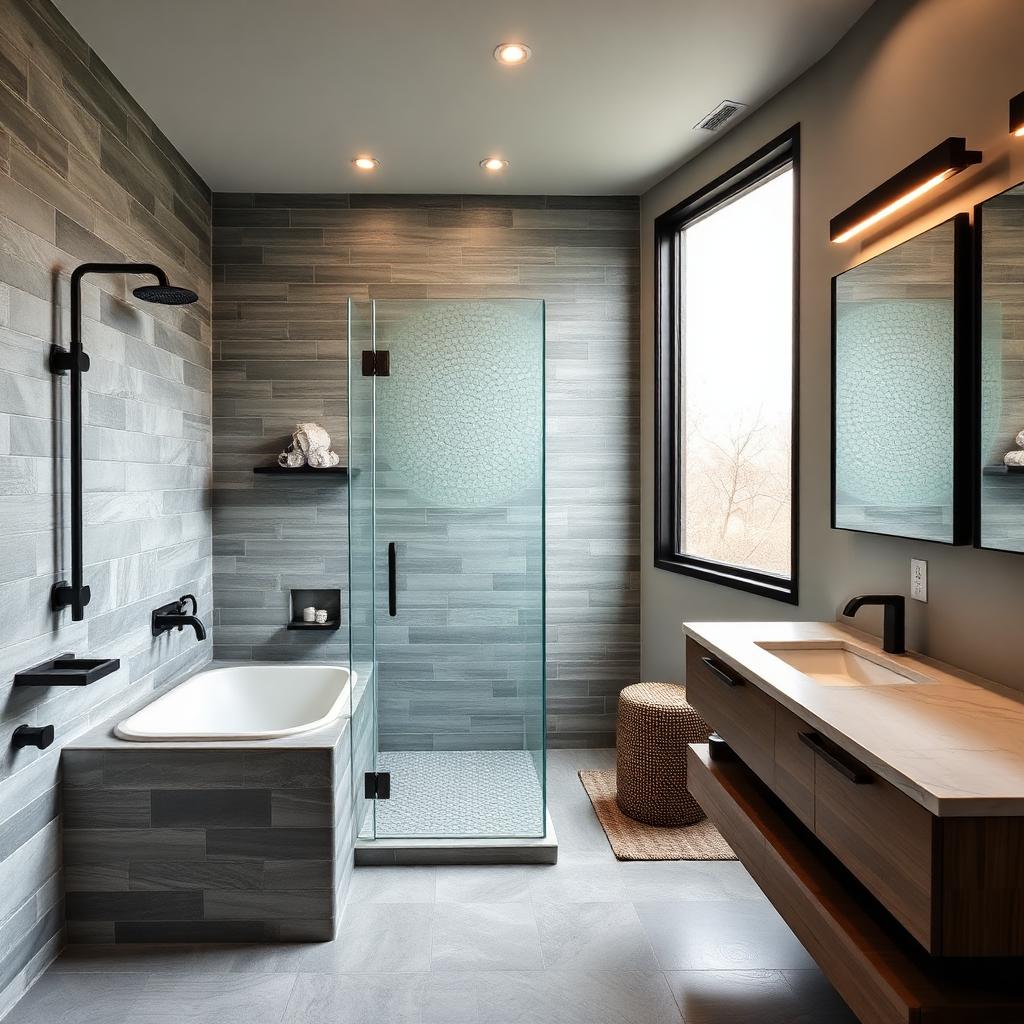
The Complete Bathroom Renovation Guide: Costs, Timeline and What Actually Happens
Everything I wish homeowners knew before their first bathroom remodel — realistic budgets, a full timeline, decisions that quietly add thousands, and the small choices that make the finished room feel worth every penny.
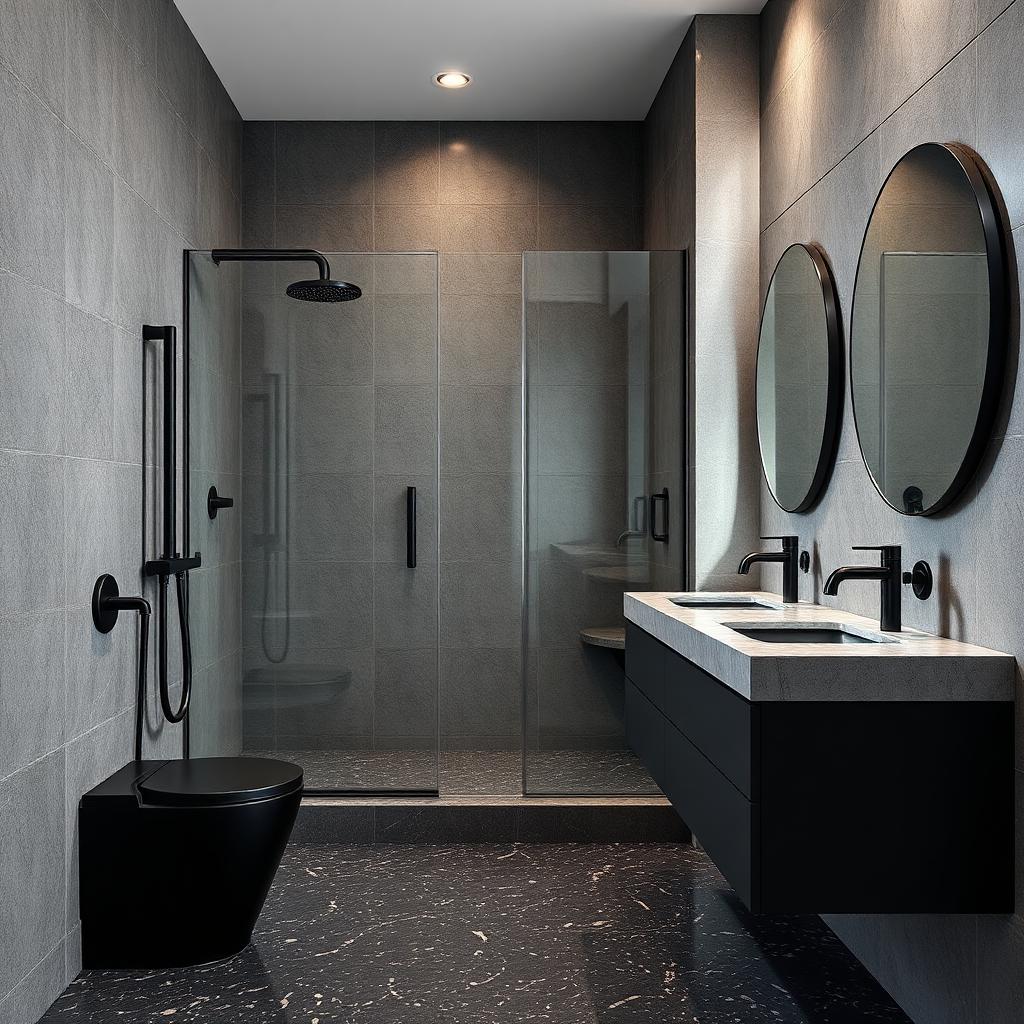
Bathroom Remodeling Ideas That Look Great and Age Well
Bathroom remodeling ideas that still look right ten years in — from layout to finish choices, without the trend regrets.
Related topics
Ideas from nearby corners of the site you'll probably like too.

How to Choose Interior Paint Colors: A Designer's Room-by-Room Guide
Choosing paint colors is where most rooms go sideways. This is the process I actually use with clients — how to read undertones, test the way pros test, and land on a color you'll still love five years from now.

Small Living Room Design Ideas That Actually Feel Bigger
Real design moves that make a small living room feel bigger without knocking down a single wall — starting with the one mistake almost everyone makes.

DIY Home Decor Projects You Can Actually Finish This Weekend
Seven honest DIY decor projects — tools, time, skill level, and the mistake most first-timers make on each one.