Decluttering and Organization Strategies That Actually Stick
Decluttering strategies that survive past the first weekend high — and the small habits that keep new clutter from arriving.

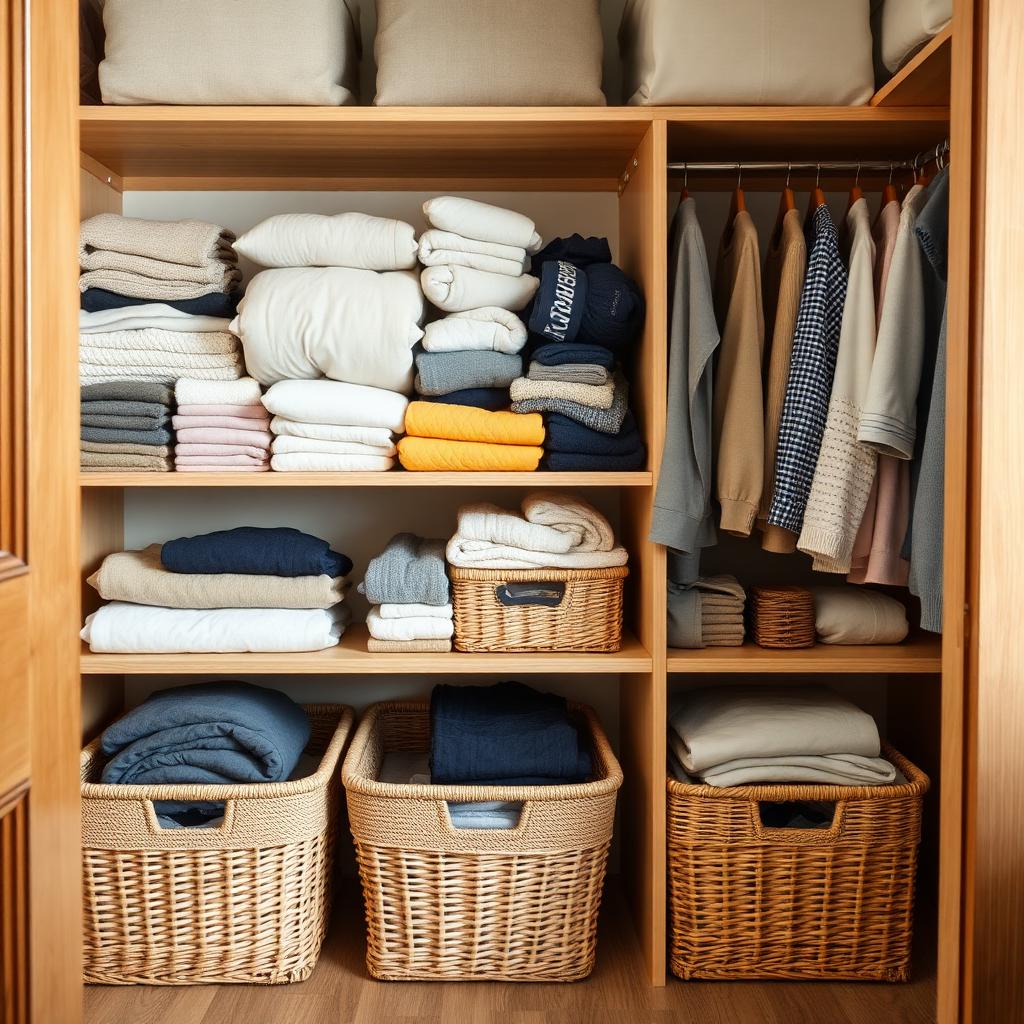
Most decluttering fails not because people can't get rid of stuff, but because they never address the reason it accumulated. A weekend purge without a change in intake habits just clears space for the next round.
This is the approach I use in my own home and in every consultation. It's less dramatic than the streaming shows and it lasts a lot longer.
Work in one narrow category at a time
Trying to declutter 'the guest room' or 'the garage' fails because the categories are too broad. Instead, work in narrow slices: all winter coats, all coffee mugs, all cables. Pull them into one place, see what you have, decide.
You'll be shocked, every time, at how many duplicates you own of the things you buy repeatedly.
Use four buckets, not two
'Keep' and 'toss' isn't enough. The four I use: keep, donate, recycle/dispose responsibly, and undecided. The undecided bucket lives in a box in the basement for 30 days. If you didn't miss it, it goes.
Decide where things live before you organize
Every item needs a home. If you can't answer 'where does this live?' the item doesn't belong in the house. This is the question that separates organizing from decluttering.
One-in, one-out for the tricky categories
For clothing, books, kitchen gadgets and kids' toys, adopt a one-in-one-out rule. It stops future accumulation without requiring willpower every time you shop.
Ten-minute daily reset beats a monthly overhaul
Small, frequent maintenance is how organized homes stay organized. Ten minutes before bed clearing surfaces is more effective than a Saturday marathon once a season.
Expert tips
- •Schedule a donation pickup before you start. A deadline makes the decisions faster.
- •Take photos of sentimental items you're willing to let go of. The memory usually matters more than the object.
- •Handle mail once — either recycle it, act on it, or file it. Never put it in a pile 'for later.'
- •Use bins with labels for shared spaces. It removes the daily negotiation about where things go.
Common mistakes to avoid
- ✕Buying organization products before decluttering. You'll organize things you should have removed.
- ✕Starting in the biggest problem room. Momentum matters — start with a small win.
- ✕Trying to organize other people's things. It fails and creates conflict.
- ✕Underestimating how emotional decluttering can be, especially with inherited items.
Frequently asked questions
Fourteen years designing residential interiors on both coasts, with a soft spot for warm minimalism and small-space layouts.
More in Home Organization
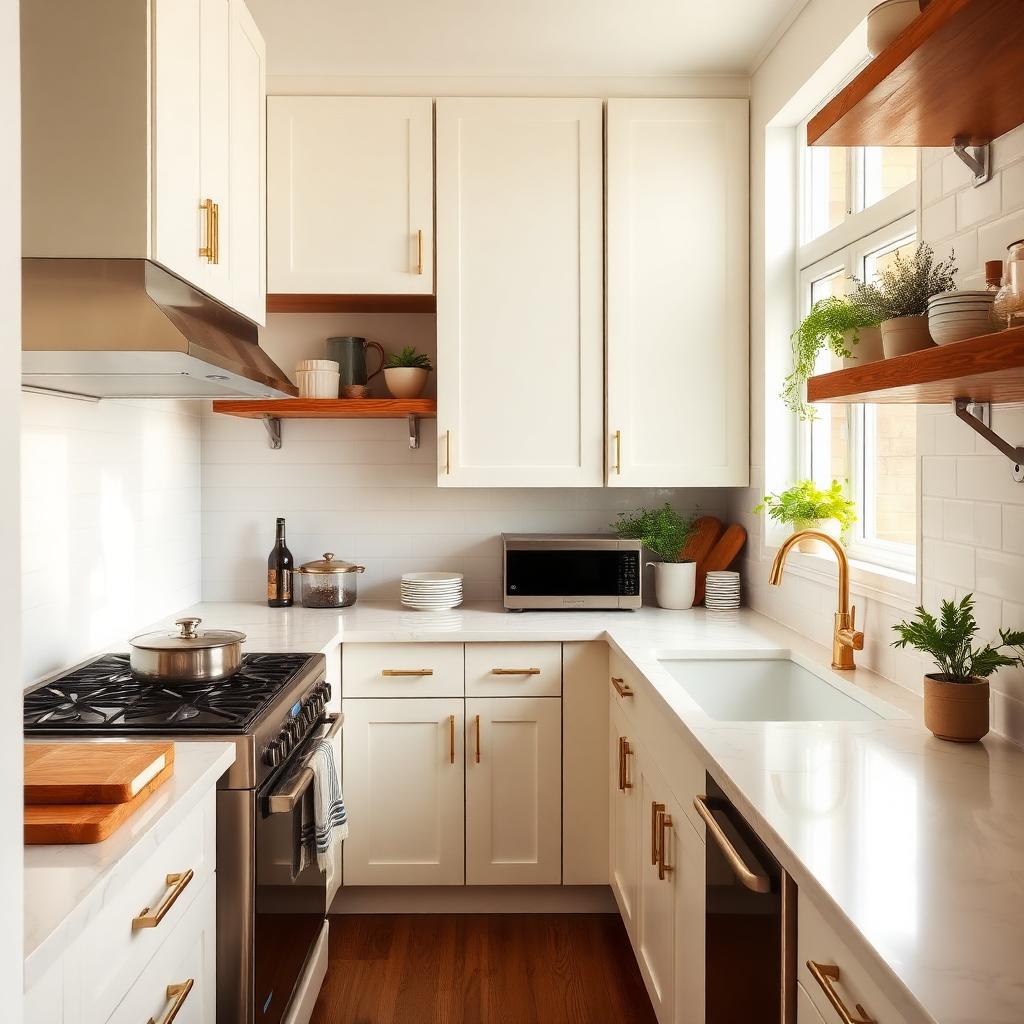
How to Organize a Small Kitchen So It Stays That Way
Zone-by-zone organization for a small kitchen — the storage that pulls its weight and the habits that keep it tidy after week one.
Related topics
Ideas from nearby corners of the site you'll probably like too.

Home Office Setup Guide: A Room You Can Actually Work In
A designer's guide to setting up a home office that supports real work — long past the honeymoon week.

Small Living Room Design Ideas That Actually Feel Bigger
Real design moves that make a small living room feel bigger without knocking down a single wall — starting with the one mistake almost everyone makes.
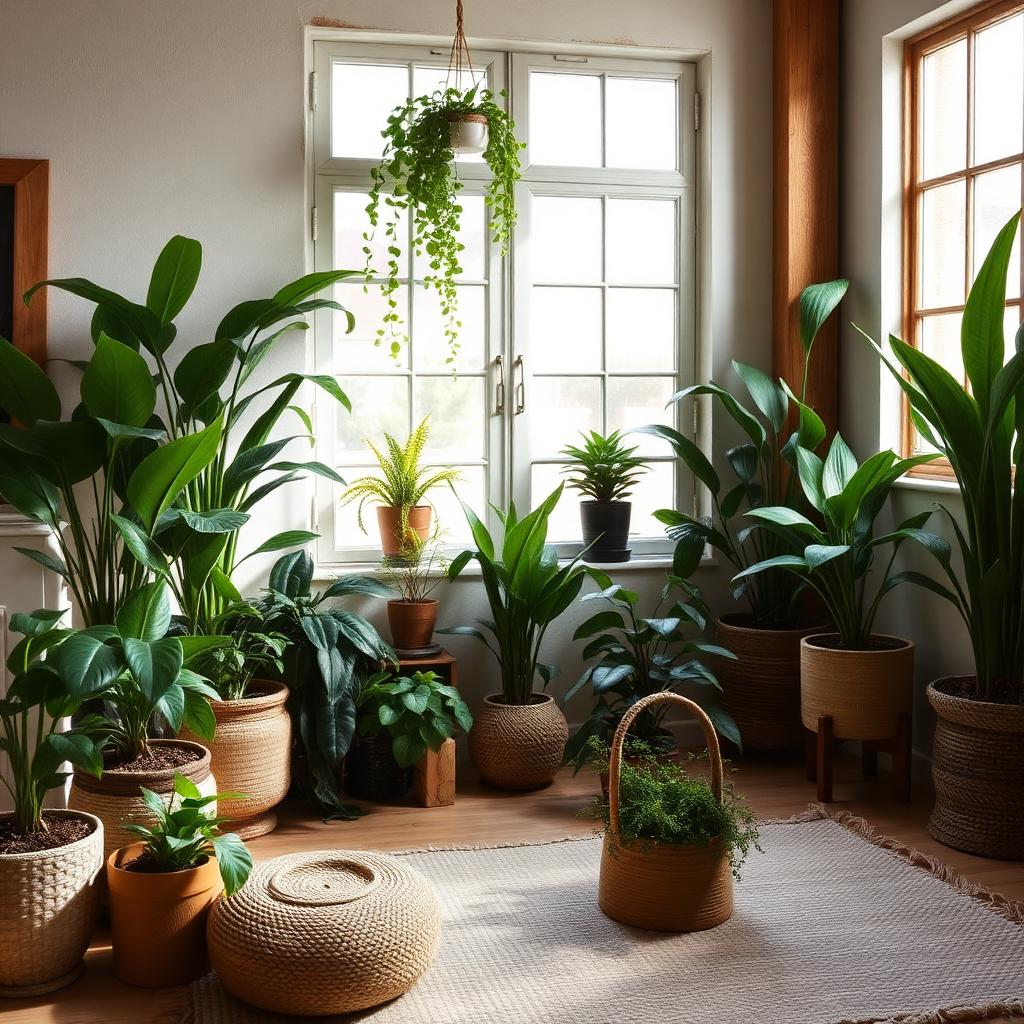
Best Indoor Plants for Air Quality (and How to Not Kill Them)
Honest picks for indoor plants that clean the air, add real warmth to a room, and forgive a beginner's care routine.