How to Organize a Small Kitchen So It Stays That Way
Zone-by-zone organization for a small kitchen — the storage that pulls its weight and the habits that keep it tidy after week one.

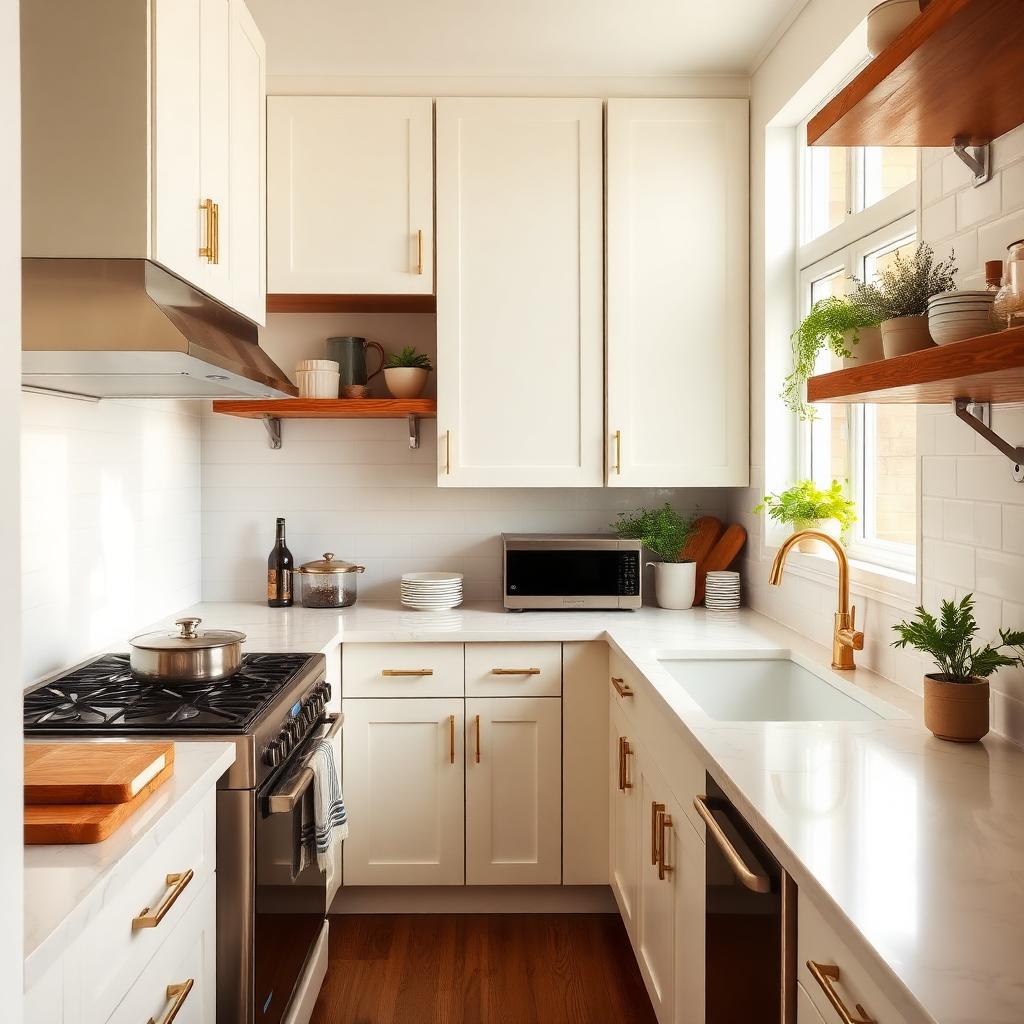
Small kitchens don't need more storage. They need better storage — arranged around how you actually cook. I've watched people install a beautiful pantry system and still keep the olive oil next to the front door because it's the only spot that's reachable.
The kitchens that stay organized share three traits: everything lives near where it's used, the containers make sense from three feet away, and the daily reset takes under five minutes.
Map your kitchen into zones
Before rearranging anything, walk through a full meal in your head. Where do you prep? Where do you cook? Where do you plate? Where do you clean? Those are your four zones, and every item you own belongs in the zone where it's used.
Coffee equipment near the coffee maker, not in a cabinet across the room. Cutting boards next to the prep counter. Baking sheets in the drawer under the oven. Sounds obvious. Most kitchens don't do it.
Store vertically
The single highest-impact upgrade in a small kitchen is turning deep, dark base cabinets into pull-out drawers. You can retrofit most standard cabinets with slide-out shelves for under a hundred dollars each, and you'll actually see what you own.
Same principle on the counter: a small three-tier corner shelf triples the usable surface without adding footprint.
Downsize duplicates ruthlessly
Small kitchens fail because they're storing the ambitions of a bigger kitchen. Four sets of measuring cups. Six spatulas. A specialty appliance you used twice in 2019. Pick your favorite of each and donate the rest.
The test I use: if the item didn't come out of the cabinet in the last three months, it's stealing a spot from something that would.
Use containers you can read at a glance
Clear, uniform containers for pantry staples aren't just for the photo. They cut the mental load of finding ingredients and they show you at a glance what's running low. You do not need matching containers everywhere — start with the ten items you reach for daily.
Label the lid, not just the front. You'll see it when you're pulling from the shelf.
Build a five-minute reset
Every organized kitchen I've been in has one habit in common: a short daily reset. Run the dishwasher before bed, wipe the main counter, put the three things back where they belong. Do it every night and the kitchen never spirals.
Expert tips
- •A tension rod under the sink turns dead vertical space into hanging storage for spray bottles.
- •Store the pan you use most on the stovetop as a lid. It's not messy, it's practical, and it saves a cabinet trip.
- •Put a small trash can inside the cabinet where you prep. You'll actually use it and stop making three trips to the main bin.
- •Keep only your daily-driver knives on the counter. Everything else lives in a drawer with an in-drawer block.
Common mistakes to avoid
- ✕Buying storage containers before decluttering. You end up organizing things you should have donated.
- ✕Storing heavy items on high shelves. It's a safety issue and you'll stop using them.
- ✕Assuming a lazy Susan solves a corner cabinet. It only works if the items on it are the ones you use daily.
- ✕Keeping small appliances on the counter that you use less than weekly.
Frequently asked questions
Fourteen years designing residential interiors on both coasts, with a soft spot for warm minimalism and small-space layouts.
More in Home Organization

Decluttering and Organization Strategies That Actually Stick
Decluttering strategies that survive past the first weekend high — and the small habits that keep new clutter from arriving.
Related topics
Ideas from nearby corners of the site you'll probably like too.

Home Office Setup Guide: A Room You Can Actually Work In
A designer's guide to setting up a home office that supports real work — long past the honeymoon week.

Small Living Room Design Ideas That Actually Feel Bigger
Real design moves that make a small living room feel bigger without knocking down a single wall — starting with the one mistake almost everyone makes.
Best Indoor Plants for Air Quality (and How to Not Kill Them)
Honest picks for indoor plants that clean the air, add real warmth to a room, and forgive a beginner's care routine.