Beginner Gardening Guide: Start Small and Keep It Alive
The plants that forgive first-timers, the tools that actually matter, and the mistakes worth skipping in your first growing season.
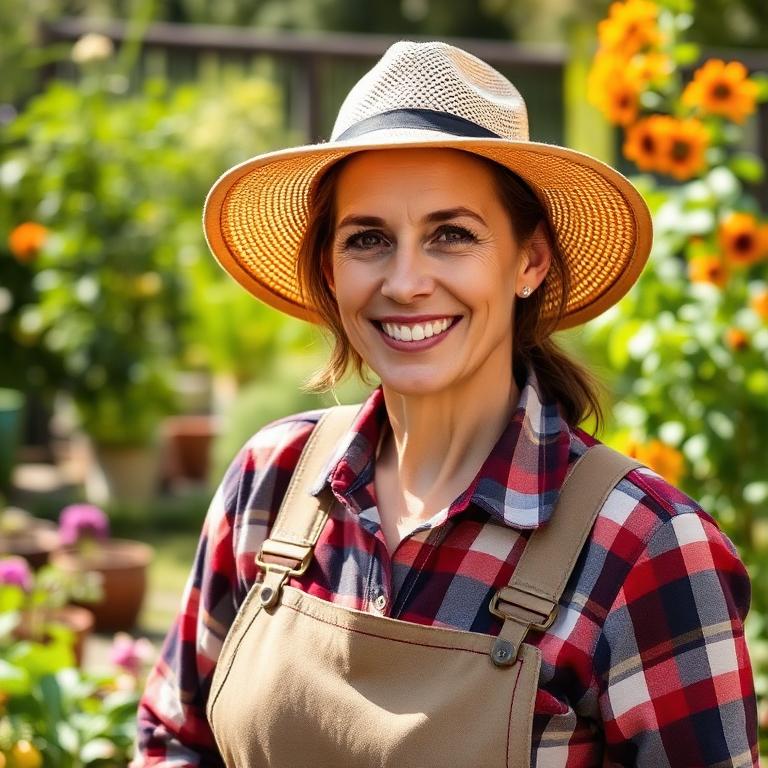
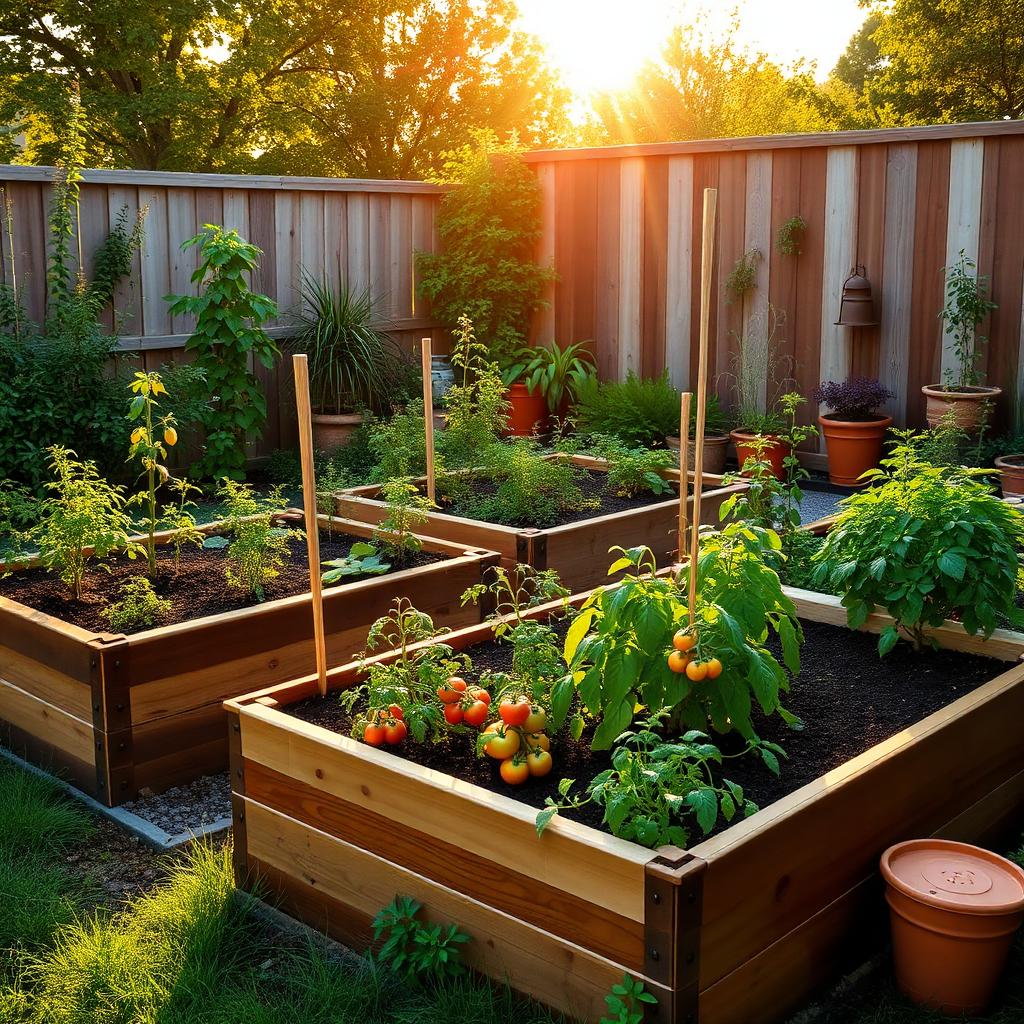
The most common way new gardeners quit is by starting too big. A first-time garden should be small enough that a busy week doesn't kill it. Everything else is easier once you have one successful season under your belt.
This guide is written for someone with a small backyard, a balcony, or a spare patch of dirt and no idea where to start. It's what I wish someone had told me before I planted 30 tomato plants in my first season and ended up giving away half of them at church.
Know your light first
Before you buy a single plant, spend a day noting when sun hits the spot you want to grow in. 'Full sun' means at least six hours of direct sunlight. 'Part shade' is closer to three or four. This one variable determines what will actually grow for you.
The most common beginner heartbreak is planting sun-loving vegetables in a partly shaded yard. They'll survive but they won't thrive, and you'll wrongly conclude you can't garden.
Start with plants that forgive you
For a first vegetable garden: cherry tomatoes, bush beans, basil, lettuce, radishes and zucchini. All are hard to kill in decent sun with regular water.
For a first flower bed: zinnias, marigolds, cosmos and black-eyed Susans. They grow from cheap seed packets and bloom for months.
Skip in year one: strawberries, cauliflower, most fussy heirloom vegetables, and anything the seed packet describes as 'temperamental.'
Soil is 80% of the work
A cheap plant in great soil will outperform an expensive plant in bad soil, every time. If you're planting in the ground, add a few inches of compost worked into the top eight inches. If you're using containers or raised beds, buy a quality bagged mix rather than filling with backyard dirt.
A $12 soil test through your local county extension office is the best money a new gardener can spend.
Water deeply, not often
Beginners tend to water a little bit every day. This trains roots to stay shallow. A long, slow soak a couple of times a week grows deeper roots and healthier plants.
Stick your finger into the soil an inch down. If it's dry there, water. If it's damp, wait.
Only the tools you actually need
A good hand trowel, a pair of pruning shears, a watering can or hose with a shower head, and one pair of gardening gloves. That's it for year one. You can add specialized tools once you know what kind of gardening you actually enjoy.
Expert tips
- •Plant one thing you love to eat. It's much more motivating to weed a bed of tomatoes you'll actually eat than an experimental herb you won't.
- •Mulch. Two inches of wood chip mulch cuts your watering time in half and suppresses most weeds.
- •Take a photo every week from the same spot. You'll see progress that you don't notice day to day.
- •Join a local gardening group. Regional advice beats internet advice every time.
Common mistakes to avoid
- ✕Overplanting in year one. A 4x8 bed is plenty for a first vegetable garden.
- ✕Ignoring your USDA hardiness zone. What thrives in one region dies in another.
- ✕Fertilizing without testing. Too much nitrogen gives you huge leafy plants and no fruit.
- ✕Giving up in July when things get scraggly. A midsummer trim brings most plants back.
Frequently asked questions
Sources & further reading
- USDA Plant Hardiness Zone Map — United States Department of Agriculture
- Cooperative Extension Home Gardening Resources — Land-grant university extension offices
Master Gardener and former nursery manager. Writes about backyard vegetable beds, native plantings and low-impact home habits.
More in Gardening & Outdoor Living
Outdoor Patio Design Ideas You'll Actually Use All Summer
Patio ideas built around real use — shade, seating and lighting choices that keep you outside past week one.
Related topics
Ideas from nearby corners of the site you'll probably like too.
Best Indoor Plants for Air Quality (and How to Not Kill Them)
Honest picks for indoor plants that clean the air, add real warmth to a room, and forgive a beginner's care routine.

The Complete Bathroom Renovation Guide: Costs, Timeline and What Actually Happens
Everything I wish homeowners knew before their first bathroom remodel — realistic budgets, a full timeline, decisions that quietly add thousands, and the small choices that make the finished room feel worth every penny.
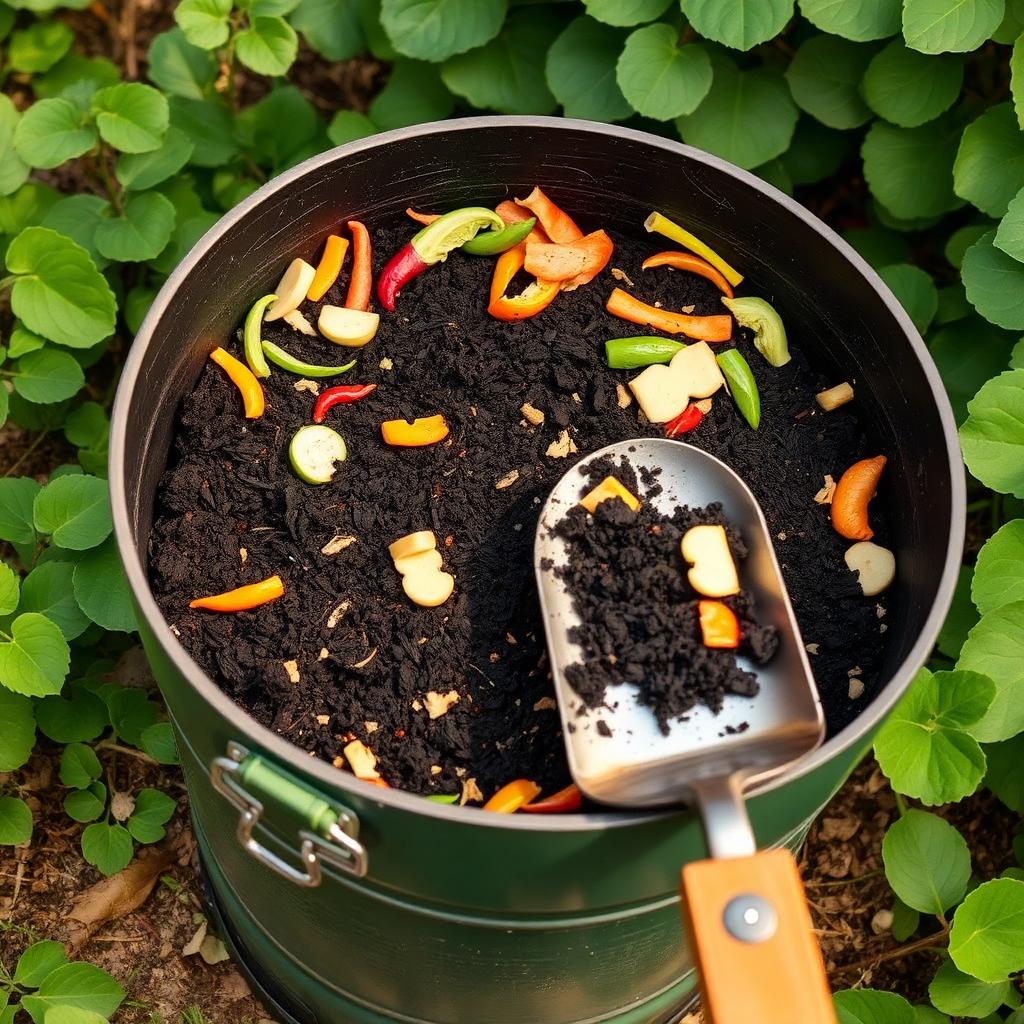
Composting at Home: A Beginner's Guide to Turning Kitchen Scraps Into Garden Gold
Composting sounds intimidating until you actually start. This is the honest, no-nonsense guide I wish I'd had — what really matters, what doesn't, and how to end up with rich dark compost instead of a smelly pile of regret.