Outdoor Patio Design Ideas You'll Actually Use All Summer
Patio ideas built around real use — shade, seating and lighting choices that keep you outside past week one.
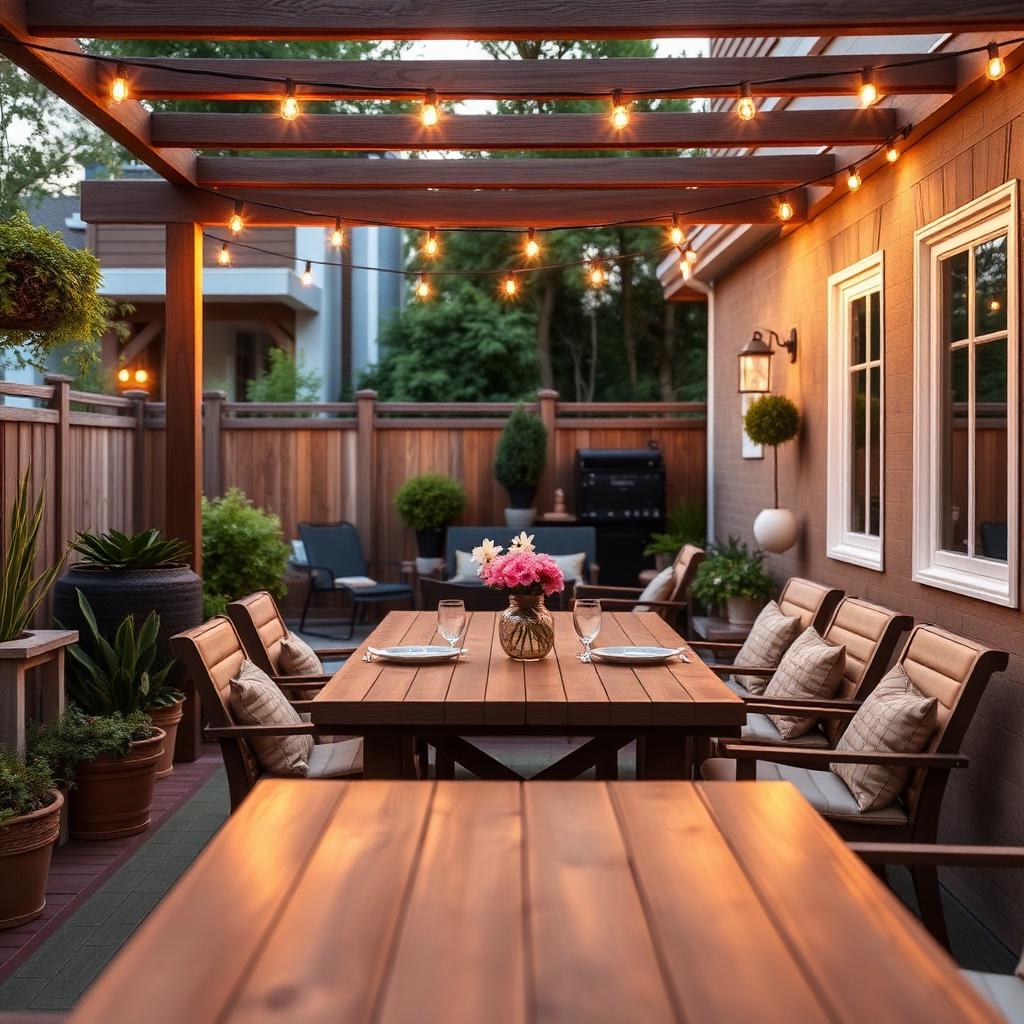
The most beautiful patios I've been to don't get used because someone forgot they'd be sitting on them at 3 PM in July with no shade. The most-used patios I've been to are less polished but solve the four real problems of outdoor living: sun, bugs, seating and light.
Fix those and you'll add hundreds of hours of usable space to your home. Skip them and you have a Pinterest board attached to your house.
Plan around your worst-time-of-day sun
Note where the sun lands on your patio at the times you actually want to sit there — dinner, weekend afternoons, morning coffee. Then plan shade around that reality: a pergola with shade cloth, a market umbrella you can move, or strategically planted trees for the long game.
The number-one reason patios go unused is unbearable afternoon sun.
Buy real outdoor furniture, not indoor furniture that lives outside
Cheap outdoor furniture with regular fabric cushions falls apart in one season and hosts mildew. Spend once on Sunbrella-style solution-dyed acrylic cushions and quality frames (powder-coated aluminum, teak, or a well-reviewed all-weather wicker). It'll last a decade.
Light for after the sun goes down
Warm, low string lights overhead plus a couple of lanterns or path lights make an outdoor space usable at night. Bright, cold floodlights don't. Aim for the same warm 2700K you'd use indoors.
Solar path lights are fine as a supplement but rarely bright enough as your main source.
A dining zone and a lounge zone
The patios that get real use have two distinct areas: a table to eat at and a soft place to sit. Even in a small patio, you can carve out both — a small bistro table and two lounge chairs is enough.
Take bugs seriously
A ceiling fan on a covered patio dramatically reduces mosquitoes. Citronella works modestly. Standing water in the yard is where mosquitoes breed — that fix does more than any spray.
Expert tips
- •Add a rug rated for outdoor use. It defines the room and softens hard surfaces.
- •Put a covered storage bench near the door for cushions. You'll actually bring them out if they're one step away.
- •Include one large potted plant. It anchors the space visually and softens hard architecture.
- •Choose furniture you can leave out year-round in your climate — or plan storage for winter.
Common mistakes to avoid
- ✕Skipping shade planning and losing the whole space to summer afternoons.
- ✕Overspending on a fire pit that stays unused because the seating around it is uncomfortable.
- ✕Buying an outdoor rug that isn't actually made for outdoor use.
- ✕Underestimating how much you'll use good lighting once you have it.
Frequently asked questions
Master Gardener and former nursery manager. Writes about backyard vegetable beds, native plantings and low-impact home habits.
More in Gardening & Outdoor Living
Beginner Gardening Guide: Start Small and Keep It Alive
The plants that forgive first-timers, the tools that actually matter, and the mistakes worth skipping in your first growing season.
Related topics
Ideas from nearby corners of the site you'll probably like too.
Budget-Friendly Home Renovation Tips From a Contractor
Where to spend, where to save, and the planning steps that keep small renovation budgets from spiraling out of control.
Best Indoor Plants for Air Quality (and How to Not Kill Them)
Honest picks for indoor plants that clean the air, add real warmth to a room, and forgive a beginner's care routine.
Bathroom Remodeling Ideas That Look Great and Age Well
Bathroom remodeling ideas that still look right ten years in — from layout to finish choices, without the trend regrets.