The Best Houseplants for Low-Light Rooms (That Actually Survive)
Not every plant labeled 'low-light' will actually live in a dim apartment. Here are the ones that will — and how to keep them alive without turning your living room into a jungle.

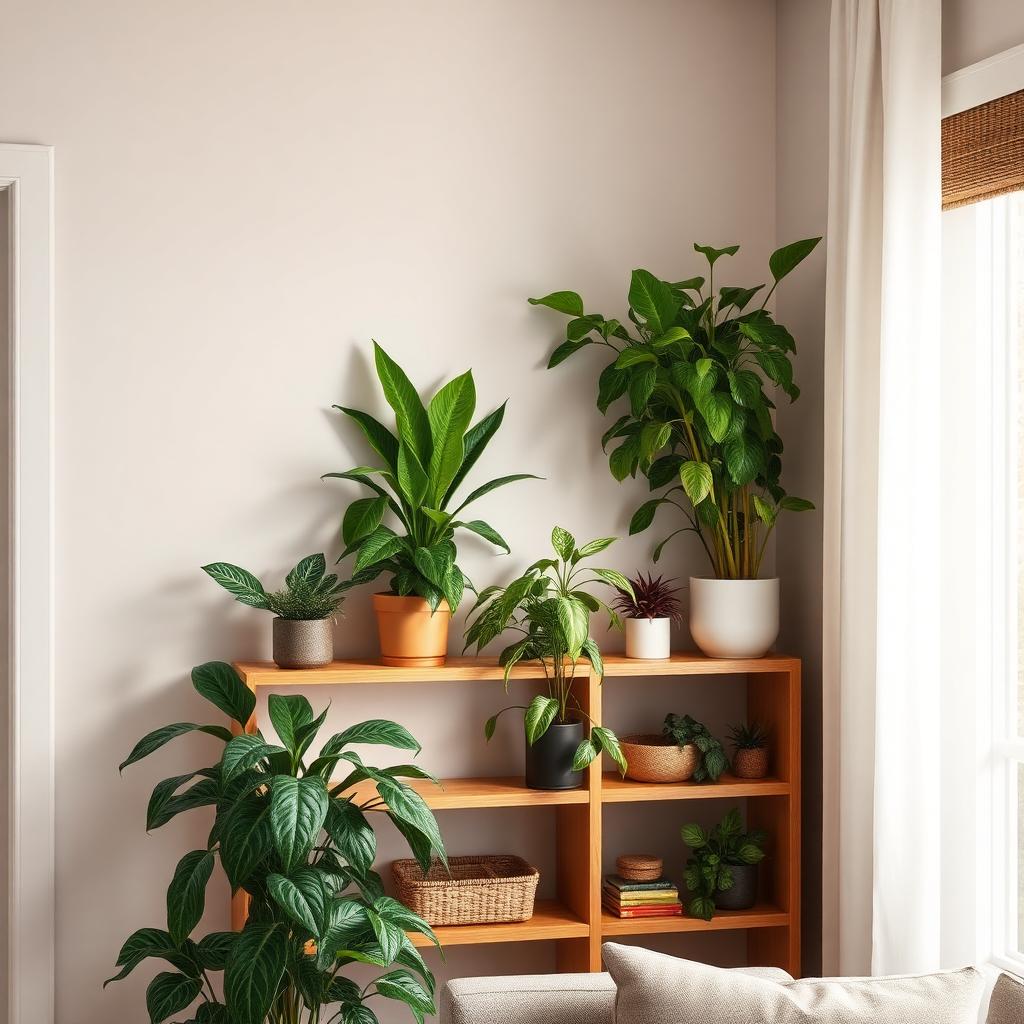
Every plant tag at the garden center seems to promise the same thing: 'thrives in low light.' Then you get it home, put it in the north-facing corner you actually needed to fill, and three months later you're staring at a bare stem in a pot. It's not you. Most of what the industry calls 'low light' is really 'medium light — nothing direct.' True low-light rooms need a shorter, honest list.
I keep about a dozen plants in my own apartment, which has exactly one usable window and a hallway that only sees indirect light. What follows is the shortlist I actually recommend to design clients who want greenery without a grow lamp and a spreadsheet.
What 'low light' really means
A room is genuinely low-light if you can read a book comfortably but couldn't take a well-exposed photo without flash. That usually means north-facing windows, interior rooms lit only through a doorway, or corners more than eight to ten feet from a bright window. If you can hold a hand up and see a soft shadow on the wall behind it, you have workable low light. If you can't see a shadow at all, that spot is too dark for any plant — put a lamp there or accept it as a plant-free zone.
The other thing to understand: 'low light' does not mean 'no water.' Plants in dim rooms grow slowly and drink less, so overwatering kills far more low-light plants than under-lighting does. Every recommendation below assumes you will water less than the tag suggests.
Snake plant (Dracaena trifasciata)
The most forgiving plant on this list and the one I put in every hallway. Snake plants tolerate weeks of neglect, are unbothered by dry indoor air and grow slowly enough that a single well-chosen specimen can sit in the same spot for years. Water only when the soil is fully dry — usually every three to four weeks in low light — and use a well-draining cactus mix.
Design tip: buy one tall enough to matter. A 30- to 40-inch snake plant in a heavy ceramic planter reads as sculpture; a small one just looks like an office cast-off.
ZZ plant (Zamioculcas zamiifolia)
The ZZ plant stores water in fat underground rhizomes, which is why it survives when you forget it exists. Its waxy leaves reflect what little light hits them, so it looks polished even in a dim corner. Water when the top two inches of soil are dry, no more than once a month in true low light.
The one thing ZZ plants dislike is being moved. Pick a spot and commit. If leaves yellow after you relocate it, it's usually adjustment, not disease — leave it alone for a month.
Pothos (Epipremnum aureum)
Pothos is the plant to buy if you want something that trails and softens a hard surface — the top of a bookshelf, a mantle, a bathroom shelf. Golden pothos and jade pothos handle the lowest light; variegated varieties (marble queen, N'Joy) need a bit more, and their variegation fades toward solid green as light drops. That's fine — a solid green pothos is still a beautiful plant.
Water when the leaves just start to droop; it's a very readable signal. Cut back long vines a few times a year to keep it full at the top instead of bald with three long streamers.
Cast iron plant (Aspidistra elatior)
Named for a reason. The cast iron plant survives Victorian parlors and modern apartments with equal grace. Broad, dark green leaves grow slowly from the base and hold their color in genuinely dim rooms. It is the plant I put in windowless bathrooms with only a skylight or borrowed hallway light.
Its downside is price and patience — a mature specimen is expensive because it took the nursery years to grow, and yours will add only a leaf or two a year. Buy the size you want to live with.
Philodendron (heartleaf or Brasil)
Heartleaf philodendron is the pothos alternative for people who want softer, more heart-shaped leaves. It handles low light beautifully and is almost as forgiving of missed waterings. The 'Brasil' cultivar adds a chartreuse stripe that stays visible even in dimmer spots, so it's the one variegated philodendron I trust in a north-facing room.
Give it something to climb — a small moss pole or even a wall of push pins — and it stops looking like a hanging plant and starts looking like living wallpaper.
Peace lily (Spathiphyllum)
The peace lily is the low-light plant that also flowers, which most of this list won't do. In dim rooms it blooms less often — maybe twice a year instead of continuously — but the glossy dark foliage looks lush regardless. It also tells you clearly when it needs water: the entire plant droops dramatically, then recovers within an hour of watering. Do not let it get to the point of drooping every time; twice is fine, weekly is stress.
Peace lilies are mildly toxic to cats and dogs if chewed. If you have curious pets, skip it and choose a snake plant instead.
Placement, pots and the boring stuff that actually matters
Every plant on this list benefits from three unglamorous choices: a pot with a drainage hole, a saucer you're willing to empty, and a spot within ten feet of a window even if no direct light reaches it. Ambient reflected light from a nearby wall or ceiling is real light — a plant tucked six feet behind a sofa but across the room from a window is happier than one three feet from a window but stuffed behind a curtain.
For styling, cluster plants of different heights on a single surface rather than scattering them one per room. A trio on a console — tall snake plant, medium ZZ, trailing pothos — reads as intentional design. One lonely plant on every table reads as clutter.
How to water plants in low light
The single biggest change when you move any plant into a dim room is that it uses water more slowly. A pothos that drank weekly in a bright window may want water every two to three weeks in a hallway. Stick a finger two inches into the soil before every watering; if it comes out with soil clinging to it, wait. If it comes out dry, water thoroughly until it runs from the drainage hole, then empty the saucer.
In winter, cut watering frequency roughly in half again. Most low-light plants slow their growth from November through February and can rot easily if you keep to a summer schedule.
Expert tips
- •Rotate each plant a quarter turn every time you water so it grows evenly instead of leaning toward the light.
- •Wipe leaves with a damp cloth once a month — dusty leaves photosynthesize noticeably less, which matters in low light.
- •Skip fertilizer entirely from October through March; a dim, dormant plant cannot use the nutrients and salts will build up in the soil.
Common mistakes to avoid
- ✕Watering on a fixed weekly schedule instead of checking the soil first.
- ✕Buying variegated plants (marble queen pothos, calathea, variegated monstera) for a dark room and blaming yourself when the variegation fades.
- ✕Choosing decorative pots without drainage holes; the plant sits in a swamp and root-rots within a season.
Frequently asked questions
Sources & further reading
- ASPCA toxic and non-toxic plant database — American Society for the Prevention of Cruelty to Animals
- Missouri Botanical Garden plant care guides — Missouri Botanical Garden
- Royal Horticultural Society houseplant profiles — Royal Horticultural Society
Editor's note: Sarah keeps every plant on this list in her own home and has tested each one in a north-facing apartment with no direct sun. Recommendations reflect what has survived at least two full years in low light.
Fourteen years designing residential interiors on both coasts, with a soft spot for warm minimalism and small-space layouts.
More in Home Decor
Best Indoor Plants for Air Quality (and How to Not Kill Them)
Honest picks for indoor plants that clean the air, add real warmth to a room, and forgive a beginner's care routine.
Kitchen Backsplash Ideas for Every Budget
Backsplash ideas that look intentional at any budget, from painted panels for two hundred dollars to handmade zellige worth the splurge.
Related topics
Ideas from nearby corners of the site you'll probably like too.

Decluttering and Organization Strategies That Actually Stick
Decluttering strategies that survive past the first weekend high — and the small habits that keep new clutter from arriving.
How to Install Floating Shelves the Right Way (So They Don't Fall Off the Wall)
Floating shelves fail more often than any other DIY project I get asked to fix. Here's how to install them so they hold weight and stay level for years.
Decluttering Your Closet: A System That Actually Sticks
A closet decluttering system built for real people, not for photo shoots. Four hours to reset, and simple rules to keep it that way.