Energy Saving Tips for Homeowners That Actually Move the Needle
Energy saving tips ranked by real impact — the moves that noticeably cut bills, and the ones that barely register.

Most energy-saving lists mix a $2,000 heat pump with 'unplug your phone charger.' The two are not remotely comparable. This list is ordered roughly by how much impact each change actually has on a typical home's bill.
You don't need to do all of them. Doing three of the top ones will meaningfully cut your energy use.
1. Seal air leaks first
In most homes, the biggest source of wasted energy is air leaking through gaps around windows, doors, attic hatches and where the walls meet the foundation. A weekend of weatherstripping and canned expanding foam is one of the highest-return home projects there is.
A blower door test through a local energy auditor is the most efficient way to find leaks — usually well worth the couple hundred dollars.
2. Add insulation where it's missing
Attics are the number-one place American homes are underinsulated. Blown-in cellulose is inexpensive per square foot and pays back within a few years in most climates.
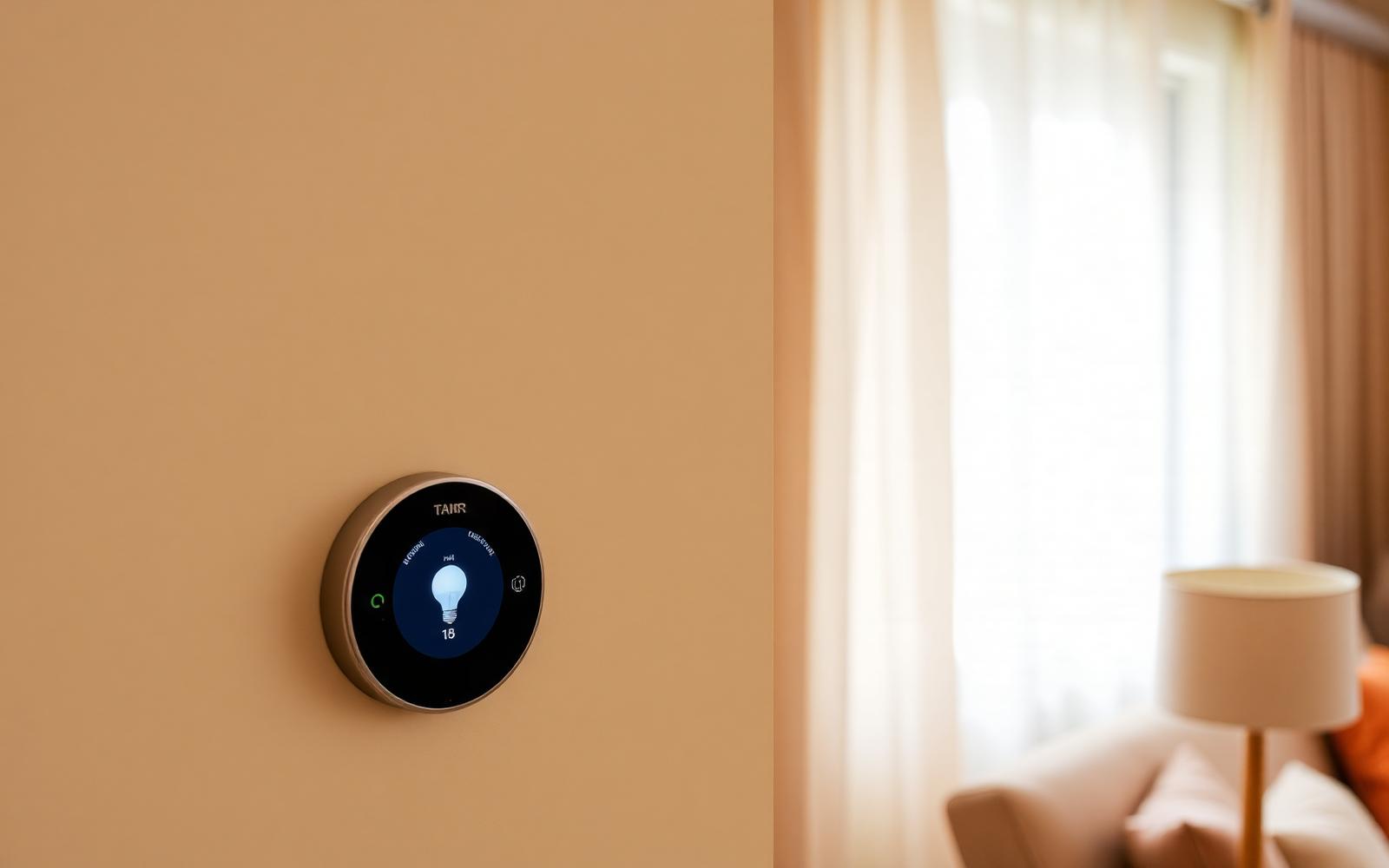
3. Upgrade the thermostat, then use it
A programmable or smart thermostat set to reasonable setbacks (a few degrees down when you're asleep or out) can cut heating and cooling bills 8 to 12 percent. This one requires actually programming it and leaving it alone.
4. Switch to LEDs everywhere
This is mostly done in newer homes, but if you're still running any halogens or CFLs, replace them as they burn out. Warm 2700K LEDs are indistinguishable from incandescent for most people and use a fraction of the energy.
5. Fix the water heater habits
Water heaters are the second-largest household energy user after HVAC. Dial the temperature down to about 120°F, insulate the first few feet of pipes, and flush sediment yearly. Big savings, small effort.
6. Rethink windows only if you're already replacing them
Replacing single-pane windows with modern double-pane is a real energy improvement, but the payback purely from energy savings is often 15 to 25 years. Do it when they need replacing for other reasons; don't do it purely for the energy bill.
7. The heat pump conversation
For most US climates, a modern heat pump is now the most energy-efficient heating and cooling option, often with generous federal and state incentives. If your furnace or AC is approaching end of life, this is the upgrade that will move the biggest number on your bill.
Expert tips
- •Check with your utility for free or subsidized energy audits — many offer them.
- •Federal and state tax credits and rebates for efficiency upgrades change often; always check before you buy.
- •Ceiling fans running counterclockwise in summer let you raise the thermostat a few degrees without noticing.
- •Wash most laundry in cold water. Modern detergents are formulated for it, and the water heater is the biggest laundry energy cost.
Common mistakes to avoid
- ✕Focusing on tiny loads (phone chargers, standby power) before sealing air leaks.
- ✕Overspending on new windows for energy savings alone.
- ✕Turning heating and cooling completely off when away for short periods — big swings cost more energy to recover.
- ✕Skipping HVAC filter changes. A clogged filter meaningfully increases energy use.
Frequently asked questions
Sources & further reading
- ENERGY STAR Home Improvement Guides — US Environmental Protection Agency
- Home Energy Saver — US Department of Energy
Master Gardener and former nursery manager. Writes about backyard vegetable beds, native plantings and low-impact home habits.
More in Sustainable Living
Composting at Home: A Beginner's Guide to Turning Kitchen Scraps Into Garden Gold
Composting sounds intimidating until you actually start. This is the honest, no-nonsense guide I wish I'd had — what really matters, what doesn't, and how to end up with rich dark compost instead of a smelly pile of regret.
Related topics
Ideas from nearby corners of the site you'll probably like too.
Smart Home Devices Worth Buying in 2026
An honest list of smart home devices that earn their spot, and the ones that get unplugged after six months.
Outdoor Patio Design Ideas You'll Actually Use All Summer
Patio ideas built around real use — shade, seating and lighting choices that keep you outside past week one.
Beginner Gardening Guide: Start Small and Keep It Alive
The plants that forgive first-timers, the tools that actually matter, and the mistakes worth skipping in your first growing season.