A Natural Cleaning Routine That Actually Works
A gentler cleaning routine that actually cleans — and honest notes on where natural products fall short.

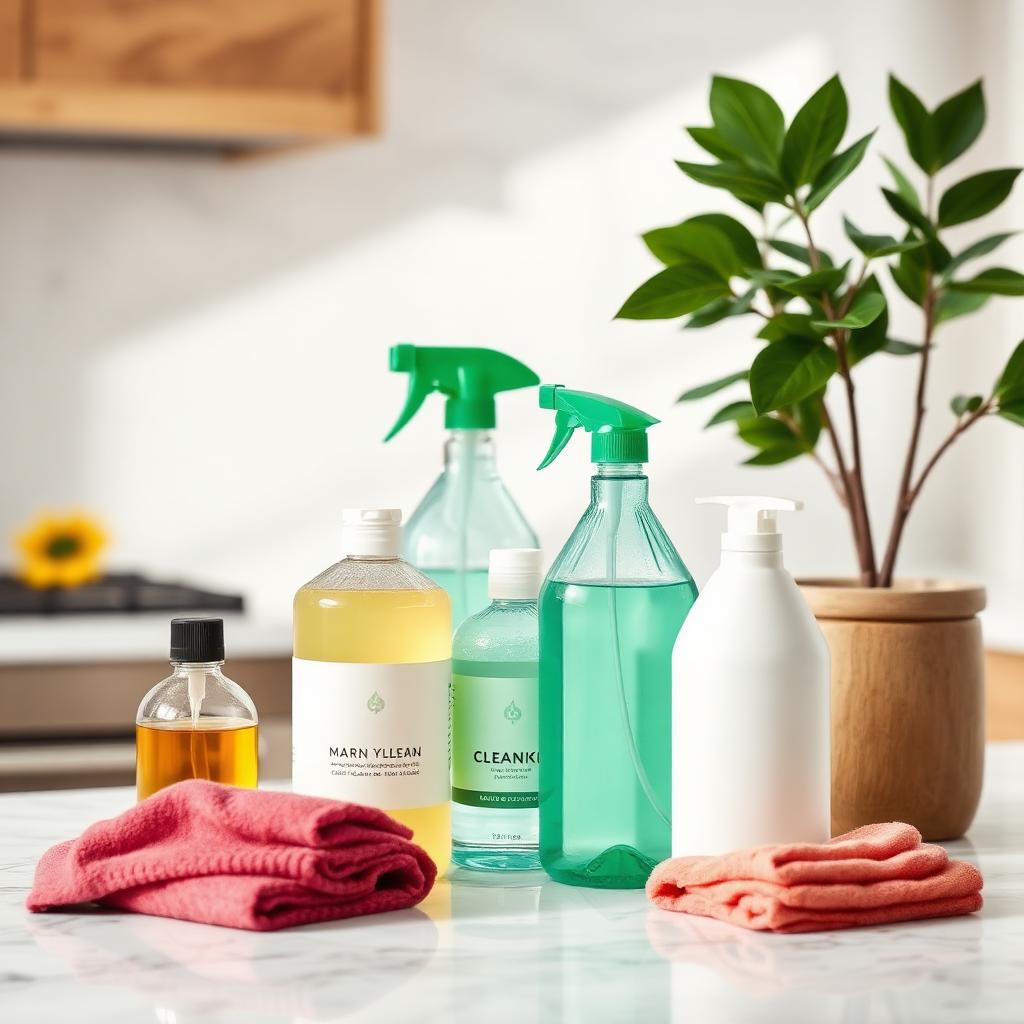
Natural cleaning gets oversold. Vinegar isn't a disinfectant. Baking soda won't cut every grease stain. That said, most day-to-day household cleaning doesn't require industrial-strength chemistry — it just requires the right gentler tool used correctly.
This is the routine I've refined over a decade of running a household with kids, pets and normal messes. It uses fewer products, gets things clean, and doesn't fill the house with harsh smells.
The three products that do 80% of the work
A castile soap concentrate, a bottle of distilled white vinegar, and a mid-quality all-purpose spray from a reputable natural brand. Diluted castile handles most surface cleaning. Vinegar handles hard water and glass. The all-purpose fills the gaps.
Add microfiber cloths and a decent scrub brush and you're set for most jobs.
A realistic weekly rhythm
Ten to fifteen minutes daily on high-traffic surfaces (bathrooms, kitchen counters, floors near entry doors) prevents the weekend from turning into a marathon. Once a week: a deeper pass on floors, bathrooms and dusting. Once a month: baseboards, inside appliances, window sills.
Where natural products don't cut it
Real disinfection — after raw meat, illness, or in a bathroom with a stomach bug — needs actual disinfectant. Vinegar is not on any EPA list of effective disinfectants. A registered disinfecting cleaner used according to the label instructions is the right tool for these cases.
Same with heavy grease. Sometimes a stronger degreaser saves you an hour of scrubbing with baking soda.
Habits that reduce cleaning altogether
A shoes-off policy at the door cuts floor cleaning frequency in half. A small handheld vacuum in the kitchen catches crumbs before they spread. A squeegee in the shower after each use is the difference between a spotless shower and a monthly scrub.
Expert tips
- •Never mix vinegar and bleach or vinegar and hydrogen peroxide. Both create harmful compounds.
- •Wash microfiber cloths without fabric softener. Softener coats the fibers and ruins their grabbing power.
- •Keep a spray bottle of diluted castile soap under each sink. Convenience is what makes a routine stick.
- •Open windows while you clean. Even with natural products, ventilation helps.
Common mistakes to avoid
- ✕Using vinegar on stone surfaces (marble, granite, travertine). It will etch them.
- ✕Assuming any 'natural' or 'green' label means it disinfects. It usually doesn't.
- ✕Over-scrubbing wood floors with water. A barely damp mop is enough.
- ✕Reusing dirty microfiber. It just spreads grime.
Frequently asked questions
Master Gardener and former nursery manager. Writes about backyard vegetable beds, native plantings and low-impact home habits.
Related topics
Ideas from nearby corners of the site you'll probably like too.
Composting at Home: A Beginner's Guide to Turning Kitchen Scraps Into Garden Gold
Composting sounds intimidating until you actually start. This is the honest, no-nonsense guide I wish I'd had — what really matters, what doesn't, and how to end up with rich dark compost instead of a smelly pile of regret.

How to Organize a Small Kitchen So It Stays That Way
Zone-by-zone organization for a small kitchen — the storage that pulls its weight and the habits that keep it tidy after week one.

Seasonal Home Maintenance Checklist for Every Homeowner
The maintenance tasks — grouped by season — that quietly prevent the most expensive repairs I see year after year.