Eco-Friendly Laundry: A Complete Guide That Actually Works
The lower-impact laundry choices that actually make a difference — and the ones that just make you feel virtuous while your clothes come out dingy.

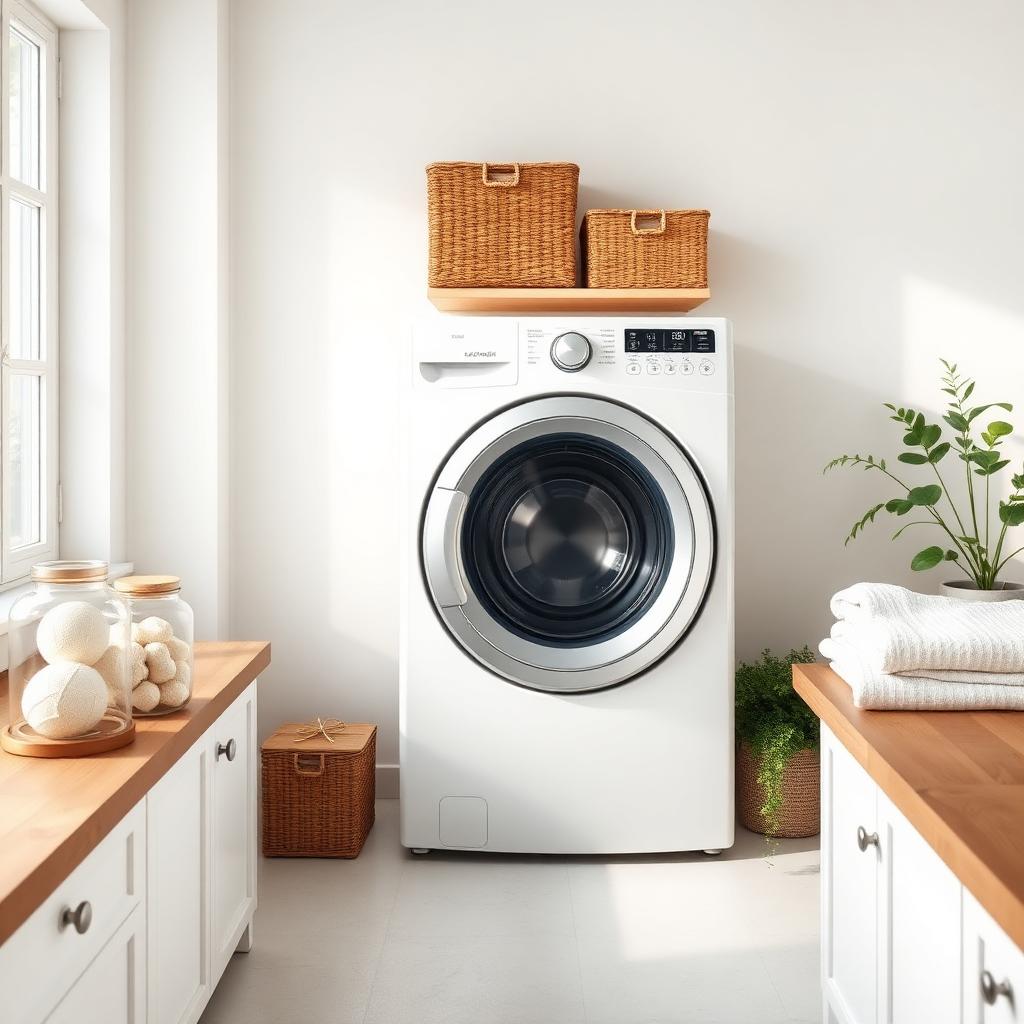
There is a lot of well-intentioned advice about eco-friendly laundry that either doesn't work or doesn't matter. The tin of homemade detergent that leaves your towels stiff. The cold-only rule that hides body soil in workout clothes. The 'eco' brands that cost triple and don't clean well.
Here's what I've learned running my own household laundry on lower-impact principles for a decade: a small number of choices do most of the work. Get those right and you can be casual about the rest without giving up clean clothes.
The two changes that matter more than everything else
**Wash cold whenever possible.** Roughly 90 percent of the energy a washing machine uses goes to heating water. Modern detergents are formulated to clean effectively in cold water for normal soil levels. Reserve warm or hot for towels, sheets during illness, and heavily soiled items like garden clothes.
**Line-dry when you can.** The dryer is the single most energy-hungry appliance in most homes after the HVAC. A retractable clothesline over your bathtub or a drying rack in a spare room dries a full load overnight and cuts drying-related energy to zero. In apartments, a folding rack in a corner does the same job as a $500 heat-pump dryer for zero dollars.
Between these two habits, you can cut laundry-related energy use by 70-80 percent without buying a single new product. Everything else in this article is icing.
Detergent: what actually matters
Look for concentrated liquid or powder detergents in cardboard or minimal plastic packaging. Concentrated formulas mean less water shipped (which is heavy and inefficient to move) and less plastic per load. Detergent sheets are marketed as eco-friendly but cleaning tests from independent labs consistently rank them below liquid detergents for heavy soil; use them if you like the packaging story, but expect to wash a second time occasionally.
Skip 'natural' detergents that lack enzymes if you wash athletic wear, kitchen towels or kid clothes. Enzymes (protease, amylase, lipase, cellulase) are what break down protein, starch, oil and cotton pilling stains in cold water. Without them, cold-water washing is a lot less effective. Most reputable enzyme-based detergents biodegrade fine; the eco-friendly claim on a detergent without enzymes is often just marketing.
Fabric softener: the one to stop buying
Liquid fabric softener is the single laundry product easiest to eliminate without loss. It coats fabric fibers with a waxy film that reduces towel absorbency, degrades athletic fabric performance, and builds up in the washer over time causing musty smells. It also generally contains fragrance and quaternary ammonium compounds that end up in wastewater.
Wool dryer balls do most of what fabric softener does — soften fabric, cut drying time, reduce static — for a one-time cost of $10-15 and a lifespan of years. Add three or four to every dryer load. For scent, a few drops of essential oil on one ball works if you want it; skipping the scent entirely is fine too.
Stain removal without chlorine bleach
Chlorine bleach is effective but harsh on fabrics, harmful when it enters wastewater in quantity, and unnecessary for most stains. Oxygen bleach (sodium percarbonate) works on most stains, is safe on colors, and biodegrades into oxygen, water and soda ash. Buy a plain oxygen bleach powder — the store brand is usually identical to Oxiclean at half the price.
For specific stains: cold water immediately for blood; enzyme detergent soak for grass and food; oxygen bleach soak for coffee, tea and wine; dish soap for oil and grease. Skip 'stain sticks' and pre-treatment sprays; a $0.10 puddle of dish soap does the same job as a $8 spray for oil stains.
Water use: front-load vs top-load
If you're buying a new washer, front-load HE (high-efficiency) machines use 40-50 percent less water and roughly the same amount less energy than traditional top-loaders. They also spin clothes drier, cutting dryer time. The upfront cost premium is real ($200-500) but the payback is typically three to five years on utilities alone.
If you're not buying new, running your current top-loader on 'small' or 'medium' loads for typical daily wash and 'large' only when the drum is actually full does the biggest single thing you can do for water use. The half-full 'large' loads most people run waste water and energy without cleaning better.
Microplastics and synthetic fabrics
Every wash of synthetic fabrics — polyester, nylon, acrylic — releases microplastic fibers into wastewater. Filters help. A GuppyFriend wash bag or a Cora Ball in the drum catches a portion of the fibers. An in-line filter on the washer's drain hose (brands like Filtrol) catches more — a real improvement, if you can plumb one in.
The bigger long-term reduction is buying fewer synthetic garments in the first place. Natural fibers (cotton, linen, wool) shed no plastic, biodegrade at end of life, and last longer with basic care. Not all synthetic clothing is avoidable (activewear especially), but shifting the everyday wardrobe toward natural fibers cuts the microplastic contribution significantly.
Drying: when the dryer is necessary and how to use it well
Sometimes you need the dryer — humid weather, tight schedule, sheets that would take days to line-dry. To minimize its footprint: clean the lint filter every load (a clogged filter adds up to 30 percent to energy use), run consecutive loads back-to-back so the drum is already warm, and use the moisture sensor cycle rather than a timed cycle. Timed drying runs long after clothes are dry, which wastes energy and damages fibers.
If you're replacing a dryer, heat-pump dryers use roughly half the energy of standard electric dryers. They cost more upfront and dry slightly slower, but if you also line-dry when possible, the combined footprint is very low.
Frequency: the case for washing less
Most items don't need washing after every wear. Jeans can go 4-6 wears; wool sweaters can go a full season with airing between wears; outerwear can go weeks. Overwashing shortens the life of garments, releases more microfibers, and uses water and energy for laundry that wasn't dirty.
The rule I use: is it visibly soiled or does it smell? If neither, hang it up to air overnight and wear again. This one change probably cuts my household's wash volume by 30-40 percent, which is more than any product swap.
Expert tips
- •Wash workout clothes inside-out. The sweat and body oils are on the interior, and inside-out washing gets water to them directly instead of through the printed exterior.
- •Add half a cup of white vinegar to the rinse water once a month to break down detergent buildup in towels and the machine drum. It smells strong wet but has no odor once dry.
- •Skip the 'sanitize' cycle for most laundry. It runs at high temperatures and long durations to hit sanitizing standards, and normal-soil laundry doesn't need it. Save it for illness, cloth diapers or exposed medical textiles.
Common mistakes to avoid
- ✕Using more detergent than needed. Modern HE machines and concentrated detergents mean two tablespoons is enough for a full load; using a full cap leaves residue on clothes and in the machine.
- ✕Washing in hot water by default. It wastes energy, sets some stains and shrinks natural fibers, and cold water cleans normal-soil laundry perfectly well with a good enzyme detergent.
- ✕Buying every 'eco' laundry product on the market. A few high-leverage choices (cold water, line drying, dryer balls, oxygen bleach) do more than a cabinet full of specialty items.
Frequently asked questions
Sources & further reading
- U.S. Department of Energy: laundry appliance efficiency — U.S. Department of Energy
- Consumer Reports laundry detergent testing — Consumer Reports
- IUCN: Primary Microplastics in the Oceans report — International Union for Conservation of Nature
Editor's note: Elena runs her own household on the practices in this article and has line-dried laundry through both Virginia summers and Hudson Valley winters. The recommendations reflect a decade of experimenting with what actually works.
Master Gardener and former nursery manager. Writes about backyard vegetable beds, native plantings and low-impact home habits.
More in Sustainable Living
Energy Saving Tips for Homeowners That Actually Move the Needle
Energy saving tips ranked by real impact — the moves that noticeably cut bills, and the ones that barely register.
Composting at Home: A Beginner's Guide to Turning Kitchen Scraps Into Garden Gold
Composting sounds intimidating until you actually start. This is the honest, no-nonsense guide I wish I'd had — what really matters, what doesn't, and how to end up with rich dark compost instead of a smelly pile of regret.
Related topics
Ideas from nearby corners of the site you'll probably like too.
Smart Thermostats: Which Ones Actually Save Money (and Which Don't)
Not every smart thermostat saves money — and even the good ones need to be set up right. Here's what actually works after two years of testing in my own house.
A Natural Cleaning Routine That Actually Works
A gentler cleaning routine that actually cleans — and honest notes on where natural products fall short.

Outdoor Patio Design Ideas You'll Actually Use All Summer
Patio ideas built around real use — shade, seating and lighting choices that keep you outside past week one.